
Home » About Us
California Adolescent Treatment Programs
Hillcrest Adolescent Treatment Center provides behavioral health services for adolescents in California. Our programs offer teens the best opportunity to heal and recover from mental health disorders, addiction, and other behavioral health concerns.
Contact us today to learn more about our accredited adolescent treatment programs.
Home » About Us
California Adolescent Treatment Programs
Hillcrest Adolescent Treatment Center provides behavioral health services for adolescents in California. Our programs offer teens the best opportunity to heal and recover from mental health disorders, addiction, and other behavioral health concerns.
Contact us today to learn more about our accredited adolescent treatment programs.
At Hillcrest Adolescent Center, we provide a comprehensive and compassionate approach to adolescent treatment. Our Foundations of Care emphasize individualized attention, evidence-based practices, and holistic therapies to help teens thrive emotionally, mentally, and socially.
We believe in addressing the root causes of behavioral and emotional challenges, not just the symptoms. Our unique approach is designed to support long-term growth and healing.

Our dedicated team of clinicians and therapists specializes in treating teens ages 12-18, working collaboratively with youth and their families to address a broad spectrum of mental health challenges in a nurturing residential environment.
We are proud to be accredited by CARF (Commission on Accreditation of Rehabilitation Facilities), demonstrating our commitment to meeting and exceeding the highest standards of care in adolescent mental health treatment.
Our comprehensive approach to adolescent treatment forms the foundation of our program, where we focus on empowering teens and their families through evidence-based therapies, therapeutic relationships, and individualized care plans. By addressing the whole person – mental, emotional, physical, and social needs – we help young people develop the skills and resilience needed for lasting recovery and lifelong wellness.

At Hillcrest Adolescent Center, we provide a comprehensive and compassionate approach to adolescent treatment. Our Foundations of Care emphasize individualized attention, evidence-based practices, and holistic therapies to help teens thrive emotionally, mentally, and socially.
We believe in addressing the root causes of behavioral and emotional challenges, not just the symptoms. Our unique approach is designed to support long-term growth and healing.
Our dedicated team of clinicians and therapists specializes in treating teens ages 12-18, working collaboratively with youth and their families to address a broad spectrum of mental health challenges in a nurturing residential environment.
We are proud to be accredited by CARF (Commission on Accreditation of Rehabilitation Facilities), demonstrating our commitment to meeting and exceeding the highest standards of care in adolescent mental health treatment.
Our comprehensive approach to adolescent treatment forms the foundation of our program, where we focus on empowering teens and their families through evidence-based therapies, therapeutic relationships, and individualized care plans. By addressing the whole person – mental, emotional, physical, and social needs – we help young people develop the skills and resilience needed for lasting recovery and lifelong wellness.

Tour Our Facility
Our treatment center is located in the beautiful hills of Agoura Hills, California. This location is known for it’s scenic and peaceful atmosphere—which is perfect for your teen in need of tranquility during treatment.
At our facility, we offer the following amenities and comforts:
- Recreational spaces for your teen to socialize and have fun when they have a break from treatment
- Warm and homelike atmosphere so your teen feels comfortable throughout their stay
- Creative spaces that allow your teen to find an outlet to express their emotions through art, music, and other activities
- Outdoor spaces including a koi pond, peddled bridges, waterfalls, and meditation gardens
At Hillcrest Adolescent Treatment Center, we understand the value of a serene space where teens can focus on healing and recovery. Visit our tour page today to learn more about our treatment facilities.
Tour Our Facility
Our treatment center is located in the beautiful hills of Agoura Hills, California. This location is known for it’s scenic and peaceful atmosphere—which is perfect for your teen in need of tranquility during treatment.
At our facility, we offer the following amenities and comforts:
- Recreational spaces for your teen to socialize and have fun when they have a break from treatment
- Warm and homelike atmosphere so your teen feels comfortable throughout their stay
- Creative spaces that allow your teen to find an outlet to express their emotions through art, music, and other activities
- Outdoor spaces including a koi pond, peddled bridges, waterfalls, and meditation gardens
At Hillcrest Adolescent Treatment Center, we understand the value of a serene space where teens can focus on healing and recovery. Visit our tour page today to learn more about our treatment facilities.
Our Commitment:
A Multi-Disciplinary Approach To Treatment
Treatment at Hillcrest Adolescent Center stands out for its intensity and depth. Each client receives individual therapy two to three days per week, far exceeding the frequency provided by many other programs. This rigorous approach allows us to dive beyond surface-level behaviors like sneaking out or deflection, helping teens confront and heal the core issues driving their struggles.
We understand that as a parent, seeing your child suffering with a mental health disorder, behavioral disorder, or addictive disorder is overwhelming, frustrating, and scary.
We set a 90-day treatment standard, knowing that true healing takes time. The first 30 days help teens adjust to the environment, but challenges like regression or frustration may surface as they grow more comfortable. These are normal parts of the process, where the real work begins. Parents may feel the urge to “rescue” their child during tough moments, but trust our team—we know what we’re doing, and we guide families through this crucial phase of growth.
If psychological testing is necessary, we ensure it is seamlessly integrated into each teen’s treatment plan.
Foundations of Adolescent Care:
Our 8 Core Principles
1. Education 
We understand the importance of education in a teen’s life, even during treatment. At Hillcrest, we provide a structured academic program led by our Director of Education, ensuring clients stay on track with their studies. This allows teens to maintain academic progress while focusing on their personal growth.
Our program accommodates a variety of learning needs, collaborating with schools to align curricula and provide a smooth transition back to traditional education after treatment. This balance helps teens build confidence, maintain a sense of normalcy, and develop the discipline needed to succeed both academically and in life.
2. Experiential Therapies
Therapy at Hillcrest is not confined to a chair in a therapist’s office. We believe in the power of experiential therapies to engage teens on a deeper, more personal level. These activities encourage emotional growth, self-expression, and physical well-being.
- Surf Therapy: Teens connect with nature and find healing through the rhythm of the ocean, learning resilience and mindfulness.
- Equine Therapy: Working with horses fosters empathy, trust, and non-verbal communication, helping teens build self-awareness and emotional regulation.
- Holistic Therapy: We incorporate practices such as aromatherapy and art therapy to help teens access new ways of processing emotions.
- Expressive Therapy: Through creating or listening to music, making works of art, or writing, teens explore self-expression, relieve stress, and improve mood.
- Yoga and Meditation: These practices teach teens to quiet their minds, focus on the present moment, and develop coping strategies for stress and anxiety.
These therapies provide teens with opportunities to discover new passions and coping mechanisms while enhancing their overall treatment experience.
3. Individualized Care
Every teen is different, and so is their journey to recovery. Our commitment to individualized care ensures each client receives a highly tailored treatment plan. Central to this approach is a 50-minute individual therapy sessions two to three days per week, allowing therapists to form meaningful connections with clients and address their unique challenges.
This intensive therapy schedule helps us move beyond surface-level issues, guiding teens to uncover the root causes of their struggles. Whether they are dealing with trauma, anxiety, depression, or deflection behaviors, our therapists provide the tools and strategies teens need to heal deeply and sustainably.
4. Family Involvement
We know that healing doesn’t happen in isolation—families are a vital part of the process. At Hillcrest, we provide robust family services, including individual therapy sessions for parents and guidance on navigating challenges at home.
Family members are encouraged to spend time with their teen during treatment. Starting in week three, parents can take their teen out on a day pass, and as discharge approaches, overnight passes become an option. These moments provide families with opportunities to rebuild trust, practice healthy communication, and reinforce the progress made in treatment.
By the time a teen completes our program, families are equipped with the skills and understanding needed to support their continued growth.
5. Skill-Building Treatment
For teens to thrive after treatment, they need practical tools for everyday life. Our skill-building program focuses on developing responsibility, independence, and accountability.
Teens learn essential life skills such as:
- Managing chores
- Budgeting and earning an allowance
- Problem-solving and conflict resolution
These activities help teens establish a sense of structure and prepare them to transition smoothly back into their home environment. Skill-building is a cornerstone of sustainable recovery and personal growth.
6. Strength-Based Approach
Rather than focusing solely on a teen’s challenges, we take a strength-based approach to treatment. This means identifying and nurturing each teen’s inherent talents, abilities, and potential.
By emphasizing their strengths, we help teens build self-esteem, resilience, and a positive sense of identity. This approach empowers them to see themselves as capable and deserving of success, providing a foundation for lifelong confidence and growth.
7. Connection
Connection is at the heart of healing. Teens at our adolescent treatment can benefit from a safe and supportive environment where they can form meaningful relationships with peers and staff.
We foster healthy communication, encourage teamwork, and promote peer support through group activities and therapeutic exercises. These experiences help teens build trust, improve social skills, and realize they are not alone in their struggles.
8. Trust
Healing cannot happen without trust, and at Hillcrest, we make building trust a top priority. Many teens arrive feeling vulnerable, fearful, or resistant. Our approach is to meet them where they are—emotionally, mentally, and socially—acknowledging their unique circumstances.
We create a judgment-free space where teens feel safe to open up at their own pace. By actively listening, validating their experiences, and treating them with genuine care and respect, we foster an environment where trust grows naturally over time.
1. Education
We understand the importance of education in a teen’s life, even during treatment. At Hillcrest, we provide a structured academic program led by our Director of Education, ensuring clients stay on track with their studies. This allows teens to maintain academic progress while focusing on their personal growth.
Our program accommodates a variety of learning needs, collaborating with schools to align curricula and provide a smooth transition back to traditional education after treatment. This balance helps teens build confidence, maintain a sense of normalcy, and develop the discipline needed to succeed both academically and in life.

2. Experiential Therapies
Therapy at Hillcrest is not confined to a chair in a therapist’s office. We believe in the power of experiential therapies to engage teens on a deeper, more personal level. These activities encourage emotional growth, self-expression, and physical well-being.
- Surf Therapy: Teens connect with nature and find healing through the rhythm of the ocean, learning resilience and mindfulness.
- Equine Therapy: Working with horses fosters empathy, trust, and non-verbal communication, helping teens build self-awareness and emotional regulation.
- Holistic Therapy: We incorporate practices such as aromatherapy and art therapy to help teens access new ways of processing emotions.
- Expressive Therapy: Through creating or listening to music, making works of art, or writing, teens explore self-expression, relieve stress, and improve mood.
- Yoga and Meditation: These practices teach teens to quiet their minds, focus on the present moment, and develop coping strategies for stress and anxiety.
These therapies provide teens with opportunities to discover new passions and coping mechanisms while enhancing their overall treatment experience.

3. Individualized Care
Every teen is different, and so is their journey to recovery. Our commitment to individualized care ensures each client receives a highly tailored treatment plan. Central to this approach is a 50-minute individual therapy session five days a week, allowing therapists to form meaningful connections with clients and address their unique challenges.
This intensive therapy schedule helps us move beyond surface-level issues, guiding teens to uncover the root causes of their struggles. Whether they are dealing with trauma, anxiety, depression, or deflection behaviors, our therapists provide the tools and strategies teens need to heal deeply and sustainably.

4. Family Involvement
We know that healing doesn’t happen in isolation—families are a vital part of the process. At Hillcrest, we provide robust family services, including individual therapy sessions for parents and guidance on navigating challenges at home.
Family members are encouraged to spend time with their teen during treatment. Starting in week three, parents can take their teen out on a day pass, and as discharge approaches, overnight passes become an option. These moments provide families with opportunities to rebuild trust, practice healthy communication, and reinforce the progress made in treatment.
By the time a teen completes our program, families are equipped with the skills and understanding needed to support their continued growth.

5. Skill-Building Treatment
For teens to thrive after treatment, they need practical tools for everyday life. Our skill-building program focuses on developing responsibility, independence, and accountability.
Teens learn essential life skills such as:
- Managing chores
- Budgeting and earning an allowance
- Problem-solving and conflict resolution
These activities help teens establish a sense of structure and prepare them to transition smoothly back into their home environment. Skill-building is a cornerstone of sustainable recovery and personal growth.

6. Strength-Based Approach
Rather than focusing solely on a teen’s challenges, we take a strength-based approach to treatment. This means identifying and nurturing each teen’s inherent talents, abilities, and potential.
By emphasizing their strengths, we help teens build self-esteem, resilience, and a positive sense of identity. This approach empowers them to see themselves as capable and deserving of success, providing a foundation for lifelong confidence and growth.

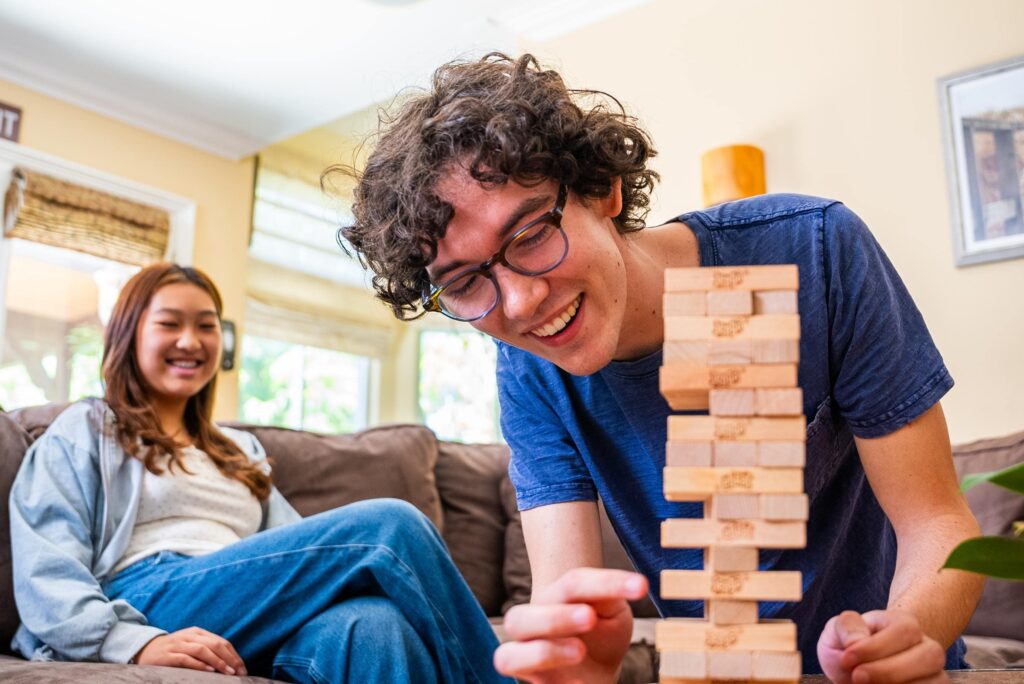
7. Connection
Connection is at the heart of healing. Teens at Hillcrest benefit from a safe and supportive environment where they can form meaningful relationships with peers and staff.
We foster healthy communication, encourage teamwork, and promote peer support through group activities and therapeutic exercises. These experiences help teens build trust, improve social skills, and realize they are not alone in their struggles.
8. Trust
Healing cannot happen without trust, and at Hillcrest, we make building trust a top priority. Many teens arrive feeling vulnerable, fearful, or resistant. Our approach is to meet them where they are—emotionally, mentally, and socially—acknowledging their unique circumstances.
We create a judgment-free space where teens feel safe to open up at their own pace. By actively listening, validating their experiences, and treating them with genuine care and respect, we foster an environment where trust grows naturally over time.

What Makes Hillcrest Adolescent Different?
At Hillcrest Adolescent, we’ve created a treatment approach that stands apart through our unwavering commitment to individualized care and evidence-based practices. Every resident receives daily individual therapy sessions two to three days per week, ensuring consistent, focused therapeutic support that adapts to their evolving needs.
Our treatment programs maintain intentionally small sizes, allowing our clinical team to provide concentrated attention and develop deeper therapeutic relationships with each resident.
We understand the importance of environment in the healing process, which is why our facility offers a serene, comfortable setting that promotes recovery and growth. Our rigorous admissions screening process ensures we can effectively serve each resident we accept, while our comprehensive discharge planning focuses on seamlessly reintegrating clients back into their daily lives with the tools and support they need to thrive.
We prioritize education alongside adolescent treatment, offering academic services that help residents stay on track with their studies. Privacy and confidentiality remain paramount in all aspects of our care, creating a safe space for authentic healing. Our treatment approaches are continuously refined based on the latest research in adolescent mental health, ensuring we provide the most effective care possible.
How Do I Know When Residential Treatment is Appropriate for My Teen?
- Your teen is struggling with daily functioning, showing significant difficulty maintaining relationships, attending school, or participating in usual activities despite outpatient treatment efforts
- Previous treatment approaches, including outpatient therapy or intensive outpatient programs, haven’t provided the level of support your teen needs
- Your teen’s mental health challenges are creating an unsafe environment at home, affecting both their wellbeing and family dynamics
- You’ve noticed escalating behaviors such as self-harm, severe anxiety, depression, or substance use that require more intensive intervention and monitoring
- Your teen’s mental health professional has recommended a higher level of care to address their specific challenges
- School performance has significantly declined, and traditional academic support isn’t addressing the underlying mental health concerns
- Your teen is showing signs of isolation, withdrawal from family and friends, or expressing feelings of hopelessness that persist despite current interventions

How Do I Know When Residential Treatment is Appropriate for My Teen?
- Your teen is struggling with daily functioning, showing significant difficulty maintaining relationships, attending school, or participating in usual activities despite outpatient treatment efforts
- Previous treatment approaches, including outpatient therapy or intensive outpatient programs, haven’t provided the level of support your teen needs
- Your teen’s mental health challenges are creating an unsafe environment at home, affecting both their wellbeing and family dynamics
- You’ve noticed escalating behaviors such as self-harm, severe anxiety, depression, or substance use that require more intensive intervention and monitoring
- Your teen’s mental health professional has recommended a higher level of care to address their specific challenges
- School performance has significantly declined, and traditional academic support isn’t addressing the underlying mental health concerns
- Your teen is showing signs of isolation, withdrawal from family and friends, or expressing feelings of hopelessness that persist despite current interventions
How Do I Know If My Teen Has a Mental Health Disorder?
The best way to know if your adolescent has a mental or behavioral health disorder is to get an evaluation by a mental health professional. However, it is important to rule out any potential medical issues that could explain some behaviors or mood changes. Therefore, your first step should be talking to your primary care physician (PCP) or family doctor.
After talking to your teen’s doctor, they might refer you to a psychiatrist or clinical psychologist for a mental health evaluation. Your child’s school may have a school psychologist who can provide an assessment and evaluation as well. Following an assessment, your teen should have an accurate diagnosis, which will help guide their treatment plan.
Still, you may have questions about your child’s symptoms and want to explore further on your own. To help parents learn more about their teen’s behaviors and mental health, we offer free online mental health quizzes for the following disorders:
These online tests are not a substitute for a professional diagnosis. Instead, they can help you understand more about your child’s mental health status as you consider the next steps to take to get your teen the treatment they need.
Ready to Begin?
Don’t wait to get your teen the support they need. Contact our admissions team to learn more about how Hillcrest Adolescent can help your family.
Our experienced professionals will guide you through the evaluation process and help determine if our residential program is the right fit for your teen. Call us complete our confidential online form to begin the conversation about your teen’s path to healing.
Meet Our Distinguished Care Team

Julia Gindi
Executive Director

Dr. Michael Louie
Psychiatrist

Dr. Shilpa Jindani
Physician

Mark Paladini
Director of Education
CONTACT US

Julia Gindi
Executive Director
With decades of experience in mental health and addiction treatment, Julia Gindi is dedicated to helping teens and their families navigate life’s challenges. She specializes in fostering healthy boundaries, strengthening family dynamics, conflict resolution, emotional coping, and self-esteem development.
Julia attended Southern Illinois University and is a Certified Alcohol and Drug Counselor (CADC). She has worked across all facets of residential treatment, playing a key role in developing specialized programs that promote long-term healing.
A compassionate and dedicated professional, Julia has helped over 2,000 individuals reclaim their lives. Outside of her work, she finds joy in gardening and nature. As a proud grandmother of 14, her passion for creating positive change extends beyond her career, reinforcing her commitment to supporting individuals and families on their journey to healing and balance.

Dr. Michael Louie
Psychiatrist
Dr. Michael Louie is a board-certified psychiatrist with over 13 years of experience in mental health care. He earned his Doctor of Osteopathic Medicine degree from the College of Osteopathic Medicine of the Pacific in 2011 and completed his psychiatry residency at the Loma Linda University Health Education Consortium. Throughout his career, Dr. Louie has been affiliated with medical facilities such as Southern California Hospital at Hollywood and Los Angeles Community Hospital. He has practiced in various California locations, including Loma Linda, Long Beach, Los Alamitos, and Tustin. Dr. Louie is known for his holistic approach to mental health, tailoring treatment plans to meet the unique needs of each patient.

Dr. Shilpa Jindani
Physician
Dr. Shilpa Jindani is a board-certified diplomat of the American Academy of Family Medicine. She studied at the Sawai Man Singh Medical College in India, later completing her residency in Family Medicine at the University of Vermont. Dr. Jindani currently practices as a family medicine physician in California. She is also the medical director at Health Net.
Dr. Jindani is a former staff physician at Ventura County Medical Center. She is also a member of both the American Academy of Family Physicians and the California Medical Association. Dr. Jindani also serves as the Vice President of Tri-Vally Indian Medical Association. In addition, she is on the medical advisory board of a startup, eFind-a-Doc.
Dr. Jindani believes that integrative and preventative practices as well as mental health care lead to the best outcomes for overall health maintenance. Taking care of her patients is her passion. In her free time, she enjoys reading, hiking, and yoga.

Mark Paladini
Director of Education
Mark Paladini brings 12 years of experience teaching at the university level where he was celebrated for his curriculum design and lesson planning for undergraduate and graduate students. In addition to heading the undergraduate program that he co-created at Regent University, he also developed and ran a highly successful online master’s program for high school teachers. He received his undergraduate degree from the University of Washington in Seattle and is a graduate of the Los Angeles Teaching Fellows Program. Mr. Paladini also served on the recruitment team during his time at the university which gives him a unique advantage to help students prepare for what is needed to get into college.
Prior to teaching at the university level, Mr. Paladini taught and developed courses for UCLA Extension, taught middle school English for LAUSD, and mentored students at a National Blue Ribbon Elementary School in Los Angeles. He also has extensive experience in the entertainment industry (Fun Fact: Mark Paladini is an award winning Casting Director!) and brings his theatre skills into the classroom to create an engaging atmosphere where students enjoy the process of learning.