

Home » Mental Health Test » Does My Teen Have Bipolar Disorder? – Parent Test
Bipolar in Teens
Bipolar Disorder Quiz for Teens – Parent Test
Our bipolar disorder quiz can help you understand your teen’s mental health.
Contact us today to learn more.
Home » Mental Health Test » Does My Teen Have Bipolar Disorder? – Parent Test
Our bipolar disorder quiz can help you understand your teen’s mental health.
Contact us today to learn more.

Are you concerned about mood swings that seem more extreme than typical teenage emotions? Do you experience periods of intense energy followed by deep lows?
Understanding bipolar disorder in adolescents is the first step toward getting the help your child needs. Our bipolar quiz for teens can help you make an informed decision to better understand the next steps for your teen.
Contact us today to learn more about teen Bipolar Disorder treatment programs in Los Angeles or call us now at 800-275-1707.
What Will This Teen Bipolar Disorder Quiz Tell Me
Our teen bipolar disorder quiz is designed as an initial screening tool to help identify patterns that may warrant professional attention. Taking this quiz will:
- Help you recognize potential symptoms of bipolar disorder that may be present
- Distinguish between normal teenage mood fluctuations and more concerning patterns
- Provide guidance on whether to seek professional evaluation
- Offer insights into different aspects of bipolar disorder, including both manic and depressive symptoms
- Give you a framework for discussing concerns with healthcare providers
It’s important to understand that this quiz is not a diagnostic tool. Bipolar disorder can only be diagnosed by qualified mental health professionals through comprehensive assessment.
However, completing this quiz can be an important first step toward understanding and addressing potential mental health concerns in adolescents. All responses are confidential and are meant to encourage appropriate help-seeking behavior.
Understanding Bipolar Disorder In Teens
Bipolar disorder is a mental health condition characterized by extreme mood swings that include emotional highs (mania or hypomania) and lows (depression).
While everyone experiences mood changes, especially during adolescence, bipolar disorder involves shifts that are more severe and can significantly impact daily functioning.
In teenagers, bipolar disorder can sometimes be misdiagnosed as typical adolescent mood swings, depression, or attention deficit hyperactivity disorder (ADHD).
That’s why professional evaluation is crucial for an accurate diagnosis. Approximately 2.9% of adolescents in the United States are affected by bipolar disorder, with symptoms typically beginning to appear during the late teen years.
Signs of Bipolar Disorder in Teens
Bipolar disorder in teenagers may present differently than in adults. Here are key signs to watch for:
During manic or hypomanic episodes:
- Unusually high energy levels and decreased need for sleep
- Racing thoughts and rapid speech
- Impulsive or risky behavior (spending sprees, sexual promiscuity)
- Inflated self-esteem or grandiosity
- Difficulty concentrating and being easily distracted
- Irritability and agitation
- Poor judgment and decision-making
During depressive episodes:
- Persistent sadness, emptiness, or hopelessness
- Loss of interest in previously enjoyed activities
- Changes in appetite and sleep patterns
- Fatigue and low energy
- Difficulty concentrating and making decisions
- Thoughts of death or suicidal ideation
- Social withdrawal
Mixed episodes, where symptoms of both mania and depression occur simultaneously, are especially common in adolescents with bipolar disorder.
Causes of Bipolar Disorder
Bipolar disorder doesn’t have a single cause but results from a combination of factors:
- Genetic factors: Bipolar disorder often runs in families. If you have a parent or sibling with the condition, you have an increased risk.
- Brain structure and function: Research suggests that the brains of people with bipolar disorder may have physical differences or abnormal neurotransmitter functioning.
- Environmental triggers: Traumatic events, significant stress, substance abuse, or major life changes can trigger the onset of bipolar symptoms in someone predisposed to the condition.
- Hormonal changes: The hormonal fluctuations during adolescence may contribute to the emergence of bipolar disorder in teens who are genetically vulnerable.
Diagnosing Bipolar Disorder
We understand that accurate diagnosis is the foundation of effective treatment. Our board-certified child and adolescent psychiatrists provide comprehensive assessments to determine whether your teen may be suffering from bipolar disorder.
The diagnostic process at Hillcrest includes:
Clinical interviews: Our psychiatrists spend significant time speaking with both the teen and their family members to gather a complete history of symptoms, behaviors, and experiences.
Standardized assessments: We utilize evidence-based screening tools and rating scales designed specifically for adolescents to objectively measure mood patterns and symptom severity.
Medical evaluation: Physical health issues can sometimes mimic psychiatric symptoms, so we conduct thorough medical assessments, including lab work when appropriate.
Longitudinal observation: Because bipolar disorder involves mood episodes that occur over time, we may monitor your teen’s symptoms over several visits to establish clear patterns.
Differential diagnosis: Our specialists carefully rule out other conditions that can present similarly to bipolar disorder, such as ADHD, major depression, anxiety disorders, or substance use.
Treatment for Teen Bipolar Disorder in Los Angeles
At Hillcrest Adolescent, we provide comprehensive, evidence-based residential treatment for teens with bipolar disorder. Our approach includes:
Thorough assessment: Our experienced clinical team conducts detailed evaluations to ensure accurate diagnosis and individualized treatment planning.
Medication management: Mood stabilizers, antipsychotics, and other medications may be prescribed and carefully monitored by our psychiatrists.
Psychotherapy: Various therapeutic approaches, including Cognitive Behavioral Therapy (CBT), Dialectical Behavior Therapy (DBT), and family therapy help teens develop coping strategies and improve relationships.
Education and skill-building: We help teens and their families understand bipolar disorder and develop skills to manage symptoms effectively.
Holistic support: Our program addresses all aspects of teen wellness, including physical health, academic support, and social skills development.
Continuity of care: We provide ongoing support and aftercare planning to maintain stability and prevent relapse.
Why Hillcrest?
Choosing the right treatment center for your teen is a crucial decision. Here’s why families throughout Los Angeles and Southern California trust Hillcrest Adolescent:
Specialized expertise: Our clinical team specializes in adolescent mental health, with particular expertise in mood disorders like bipolar disorder. We understand the unique ways these conditions manifest in teens.
Comprehensive care continuum: We offer multiple levels of care—allowing teens to receive the right level of support as they progress in their recovery.
Family-centered approach: We recognize that healing happens in context of relationships. Our family therapy program equips parents and siblings with tools to support their teen while also addressing family dynamics.
Evidence-based treatment: Our adolescent therapy programs incorporate the latest research-backed therapies proven effective for bipolar disorder in adolescents.
Holistic focus: Beyond symptom management, we address the whole person—academic needs, social skills, physical health, identity development, and life skills.
Supportive community: Teens at Hillcrest benefit from positive peer interactions and group therapy experiences that reduce isolation and build connection.
Transition planning: We put significant emphasis on preparing teens and families for success after treatment, with detailed aftercare planning and ongoing support resources.
Insurance accepted: We work with most major insurance providers to make quality mental health care accessible to families.
Our commitment at Hillcrest is not just to treat symptoms but to help your teen develop the self-awareness, coping strategies, and resilience they need to thrive despite the challenges of bipolar disorder.
More: What Parents Can Expect


Why Hillcrest?
Choosing the right treatment center for your teen is a crucial decision. Here’s why families throughout Los Angeles and Southern California trust Hillcrest Adolescent:
Specialized expertise: Our clinical team specializes in adolescent mental health, with particular expertise in mood disorders like bipolar disorder. We understand the unique ways these conditions manifest in teens.
Comprehensive care continuum: We offer multiple levels of care—allowing teens to receive the right level of support as they progress in their recovery.
Family-centered approach: We recognize that healing happens in context of relationships. Our family therapy program equips parents and siblings with tools to support their teen while also addressing family dynamics.
Evidence-based treatment: Our adolescent therapy programs incorporate the latest research-backed therapies proven effective for bipolar disorder in adolescents.
Holistic focus: Beyond symptom management, we address the whole person—academic needs, social skills, physical health, identity development, and life skills.
Supportive community: Teens at Hillcrest benefit from positive peer interactions and group therapy experiences that reduce isolation and build connection.
Transition planning: We put significant emphasis on preparing teens and families for success after treatment, with detailed aftercare planning and ongoing support resources.
Insurance accepted: We work with most major insurance providers to make quality mental health care accessible to families.
Our commitment at Hillcrest is not just to treat symptoms but to help your teen develop the self-awareness, coping strategies, and resilience they need to thrive despite the challenges of bipolar disorder.
More: What Parents Can Expect
Find Teen Bipolar Disorder Treatment Today
Don’t let bipolar disorder control your teen’s life. Contact Hillcrest Adolescent today to schedule a confidential assessment and learn more about our specialized treatment programs.
Meet Our Distinguished Care Team

Executive Director

Psychiatrist

Physician

Director of Education
Find Teen Mental Health Treatment in Los Angeles Today
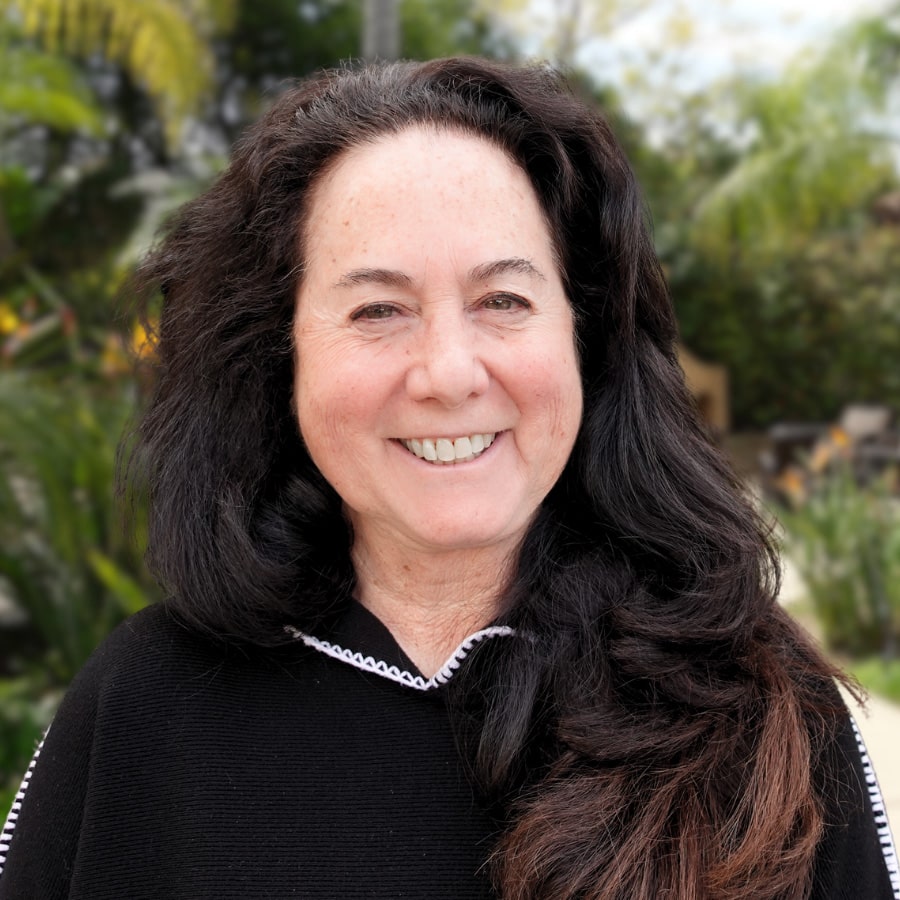
Julia Gindi
Executive Director
With decades of experience in mental health and addiction treatment, Julia Gindi is dedicated to helping teens and their families navigate life’s challenges. She specializes in fostering healthy boundaries, strengthening family dynamics, conflict resolution, emotional coping, and self-esteem development.
Julia attended Southern Illinois University and is a Certified Alcohol and Drug Counselor (CADC). She has worked across all facets of residential treatment, playing a key role in developing specialized programs that promote long-term healing.
A compassionate and dedicated professional, Julia has helped over 2,000 individuals reclaim their lives. Outside of her work, she finds joy in gardening and nature. As a proud grandmother of 14, her passion for creating positive change extends beyond her career, reinforcing her commitment to supporting individuals and families on their journey to healing and balance.

Dr. Michael Louie
Psychiatrist
Dr. Michael Louie is a board-certified psychiatrist with over 13 years of experience in mental health care. He earned his Doctor of Osteopathic Medicine degree from the College of Osteopathic Medicine of the Pacific in 2011 and completed his psychiatry residency at the Loma Linda University Health Education Consortium. Throughout his career, Dr. Louie has been affiliated with medical facilities such as Southern California Hospital at Hollywood and Los Angeles Community Hospital. He has practiced in various California locations, including Loma Linda, Long Beach, Los Alamitos, and Tustin. Dr. Louie is known for his holistic approach to mental health, tailoring treatment plans to meet the unique needs of each patient.

Dr. Shilpa Jindani
Physician
Dr. Shilpa Jindani is a board-certified diplomat of the American Academy of Family Medicine. She studied at the Sawai Man Singh Medical College in India, later completing her residency in Family Medicine at the University of Vermont. Dr. Jindani currently practices as a family medicine physician in California. She is also the medical director at Health Net.
Dr. Jindani is a former staff physician at Ventura County Medical Center. She is also a member of both the American Academy of Family Physicians and the California Medical Association. Dr. Jindani also serves as the Vice President of Tri-Vally Indian Medical Association. In addition, she is on the medical advisory board of a startup, eFind-a-Doc.
Dr. Jindani believes that integrative and preventative practices as well as mental health care lead to the best outcomes for overall health maintenance. Taking care of her patients is her passion. In her free time, she enjoys reading, hiking, and yoga.

Mark Paladini
Director of Education
Mark Paladini brings 12 years of experience teaching at the university level where he was celebrated for his curriculum design and lesson planning for undergraduate and graduate students. In addition to heading the undergraduate program that he co-created at Regent University, he also developed and ran a highly successful online master’s program for high school teachers. He received his undergraduate degree from the University of Washington in Seattle and is a graduate of the Los Angeles Teaching Fellows Program. Mr. Paladini also served on the recruitment team during his time at the university which gives him a unique advantage to help students prepare for what is needed to get into college.
Prior to teaching at the university level, Mr. Paladini taught and developed courses for UCLA Extension, taught middle school English for LAUSD, and mentored students at a National Blue Ribbon Elementary School in Los Angeles. He also has extensive experience in the entertainment industry (Fun Fact: Mark Paladini is an award winning Casting Director!) and brings his theatre skills into the classroom to create an engaging atmosphere where students enjoy the process of learning.