Home » Interpersonal Therapy
Interpersonal Therapy
Interpersonal therapy helps a teen improve their relationships with others. This is critical to a teen’s ability to improve their social well-being.
Contact Hillcrest Adolescent Treatment Center today to learn more.
Home » Interpersonal Therapy
Interpersonal Therapy
Interpersonal therapy helps a teen improve their relationships with others. This is critical to a teen’s ability to improve their social well-being.
Contact Hillcrest Adolescent Treatment Center today to learn more.

When teens are struggling, the pressure often shows up most clearly in their relationships. Interactions with friends can feel overwhelming, tension at home can escalate quickly, and even school can become another place where a teen feels unseen or misunderstood. Interpersonal therapy helps teens slow these moments down, understand what’s actually happening beneath the surface, and build healthier ways to communicate, set boundaries, and regulate emotions in real time.
At Hillcrest Adolescent Treatment Center, we work with teens ages 12–18 and use relationship-focused therapy as part of comprehensive, individualized treatment. Our team helps teens strengthen communication skills, navigate conflict more effectively, and build healthier connections at home, school, and with peers. If your family is feeling stuck in the same patterns or unsure how to support your teen, our admissions team is available to help you understand your options and take the next step toward meaningful, lasting change.
Contact us today to learn more about our teen mental health treatment centers.
What Is Interpersonal Therapy?
Interpersonal therapy (often called IPT) is a structured, evidence-based approach that focuses on how a teen’s relationships and social environment affect mood, stress, and behavior.
The work stays grounded in what’s happening right now: communication patterns, conflict cycles, grief and change, peer dynamics, and the support system a teen can realistically lean on.
A core idea of IPT is that symptoms don’t exist in a vacuum. When relationships feel unsafe, unstable, or overwhelming, teens often show it through shutdown, irritability, anxiety, impulsivity, or depression. IPT helps them build skills that translate outside session, not just insight that stays in the therapy room.
What Interpersonal Therapy Helps Teens Work Through
Interpersonal therapy is often used when relationships are a major trigger for symptoms.
In adolescent work, that can include:
- Ongoing conflict with parents or caregivers
- Friendship stress, rejection, bullying, or social isolation
- Grief and loss, including complicated family situations
- Major changes such as divorce, moving, changing schools, or shifting family roles
- Difficulty reading social cues, speaking up, or repairing relationships after conflict
In IPT, clinicians typically identify one primary interpersonal “problem area” to focus on so sessions stay targeted and measurable (common focus areas include grief, role disputes, role transitions, and social/interpersonal skill gaps).
What Interpersonal Therapy Helps Teens Work Through
Interpersonal therapy is often used when relationships are a major trigger for symptoms.
In adolescent work, that can include:
- Ongoing conflict with parents or caregivers
- Friendship stress, rejection, bullying, or social isolation
- Grief and loss, including complicated family situations
- Major changes such as divorce, moving, changing schools, or shifting family roles
- Difficulty reading social cues, speaking up, or repairing relationships after conflict
In IPT, clinicians typically identify one primary interpersonal “problem area” to focus on so sessions stay targeted and measurable (common focus areas include grief, role disputes, role transitions, and social/interpersonal skill gaps).

How Interpersonal Therapy Fits Into Treatment at Hillcrest
Teens don’t live in one relationship. They live inside a whole social ecosystem of family, peers, school expectations, identity development, and online pressure.
Our clinical team integrates interpersonal work into a broader treatment plan so skills are practiced repeatedly, reinforced in groups, and supported by staff throughout the week.
Interpersonal therapy at Hillcrest may be delivered through structured groups, guided process spaces, and skills-based experiences that help teens practice communication in real time, with coaching and feedback.
How Interpersonal Therapy Fits Into Treatment at Hillcrest
Teens don’t live in one relationship. They live inside a whole social ecosystem of family, peers, school expectations, identity development, and online pressure.
Our clinical team integrates interpersonal work into a broader treatment plan so skills are practiced repeatedly, reinforced in groups, and supported by staff throughout the week.
Interpersonal therapy at Hillcrest may be delivered through structured groups, guided process spaces, and skills-based experiences that help teens practice communication in real time, with coaching and feedback.

Types of Interpersonal Therapy We Use
Interpersonal therapy isn’t a one-size-fits-all approach. Teens experience relationships differently depending on their developmental stage and the challenges they’re facing.
At Hillcrest, we use a range of interpersonal therapy formats to help teens practice communication, build awareness, and strengthen relationship skills in ways that feel relevant and applicable to their daily lives. Each approach is designed to support real-world connection, not just insight, and to help teens apply what they learn beyond the therapy room.
Healthy Relationships Group
Healthy Relationships Group helps teens build social and communication skills while learning to recognize patterns that make relationships feel supportive versus unsafe.
Teens look at the relationships that matter most to them, identify what feels hard or repetitive, and practice healthier ways to communicate needs, repair conflict, and respond to feedback from peers in a structured environment.


Boundaries Therapy
Boundaries are a major part of teen safety and emotional stability.
When boundaries are unclear, teens can end up in situations they don’t feel equipped to navigate—pressure from peers, risky behavior, unhealthy dating dynamics, or blurred expectations at home. This group focuses on helping teens understand what boundaries are, how to set them, how to hold them, and how to respond when someone pushes past them.
Community Meeting
Community Meeting gives teens a consistent space to check in, name what they’re carrying into the day, and practice supportive peer interaction.
With staff facilitation, clients set goals and intentions, offer encouragement, and build accountability in a way that strengthens connection rather than shame. Over time, this helps teens develop healthier group communication and a stronger sense of belonging.

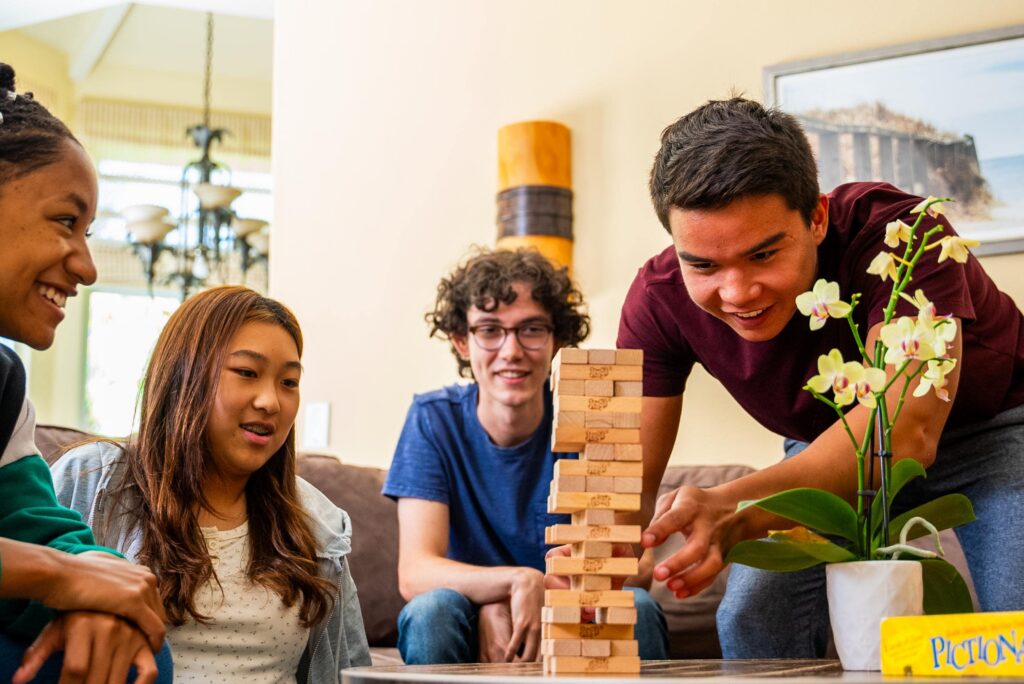
Interactive Activities Using Games
Games can be a surprisingly effective way to reveal real interpersonal patterns—frustration tolerance, leadership, conflict, fairness, communication style, impulsivity, and withdrawal.
We use board and card games as therapeutic tools, then process what showed up and translate it into real-world relationship skills.
What Parents Can Expect From This Approach
Interpersonal therapy is practical. Parents often see progress show up in specific ways. Fewer blowups that spiral, more willingness to talk after conflict, better ability to name feelings, and improved follow-through with boundaries.
It can also help a teen tolerate repair; learning how to come back to a relationship after something went wrong instead of living in avoidance or shame.
Because relationship stress is often tied to depression, anxiety, and mood instability, strengthening communication and support can be a meaningful part of symptom improvement over time.
Learn More About Interpersonal Therapy for Teens
If your teen is struggling with conflict at home, peer stress, isolation, or relationship patterns that keep pulling them under, you don’t have to figure it out alone. Hillcrest Adolescent Treatment Center provides comprehensive care for teens ages 12–18 in Agoura Hills, CA, and our team can help you understand what level of support makes sense for your family.
Contact us today to learn more about our therapeutic programs, or to speak with an admissions specialist who will walk you through insurance verification and additional first steps.