

What is Cancel Culture and How Does It Impact Teens?
April 24, 2026
The subject of being “canceled” has been all over the news for several years now, but what does it mean? Teenagers have the difficult job of wanting to establish themselves as unique and expressive of who they are, while also wanting to be popular among their peers. The fear of teen cancel culture can prove difficult for young people who want to fit in and avoid feeling ostracized. Hillcrest offers residential care for teenagers who struggle with poor mental health and may feel canceled as a result.
Learn more about our teen treatment programs or verify your families insurance now.
What is Cancel Culture?
Cancel culture is a term that has grown in popularity over the past several years. It is the practice of boycotting, withdrawing support, and publicly shaming a person or organization because of words they have said, actions they have taken, or causes they support that offend many people. Debates sometimes begin when a person, group, or company advances or endorses actions and words that many find offensive.
It can be difficult to pinpoint the specifics of what cancel culture means because many people have different definitions. For example, a famous person may post or share a racist comment, meme, or video, and the general public calls them out for it. In this case, the people who share disdain for what the famous person said feel it’s not canceling them, but rather holding them responsible for what they say and do. The results for situations like this often cause people to rethink things like racism, sexism, and homophobia. This can lead to people supporting a hate-free environment online and in person.
Cancel culture can also have a negative side because sometimes someone said or did something fairly innocuous, or a long time ago, or without malice. This leaves it up to social media fans and those who follow the news to debate if the person deserves to lose support, possibly lose money for their business, and be disrespected. As a result, “cancel culture” does not have the exact same definition for everyone.
Getting Canceled on Social Media
When it comes to teen cancel culture, it primarily takes place on social media by unfollowing, blocking, and engaging in the comments section to express the teenager’s discontent. Teens are particularly susceptible to feeling attacked and bullied through social media, and worry about saying or repeating something that will end up targeting them as someone to cancel.
Can Feeling Canceled Affect a Teen’s Mental Health?
Teenagers live in the wild west, in the sense that they are trying to express themselves and be unique while also trying to fit in and avoid being bullied, especially now that teen cancel culture is a real thing. Teenager brains are still growing and learning things like how to behave socially and work within a social structure, both at school and elsewhere.
When an adolescent feels they have been canceled, it can cause tremendous sadness and hopelessness. This can be the genesis for developing depression, anxiety, PTSD, and other mental health disorders. For a young person who already has a mental illness, being canceled can cause an increase in their symptoms. As well, the isolation and embarrassment that come with cancel culture can drive a teenager to start abusing drugs or alcohol to cope with their painful feelings.
Who Does Cancel Culture Impact?
Celebrity cancel culture makes headlines on a regular basis, with people vowing not to see a person’s movie or television show, listen to their music, vote for them, or purchase their product. Teen cancel culture primarily takes place online, including unfollowing a person, leaving negative comments, and more.
The teenager may have made an unpopular statement or done something that upsets their peers. This can include words and deeds that are considered sexist, racist, homophobic, and otherwise hateful statements and actions. Teenagers can also get canceled due to popularity games played by adolescents. Even a throw-away comment with no malice can be used to target teenagers and make them feel canceled.
Talking to Your Kids About Teen Cancel Culture
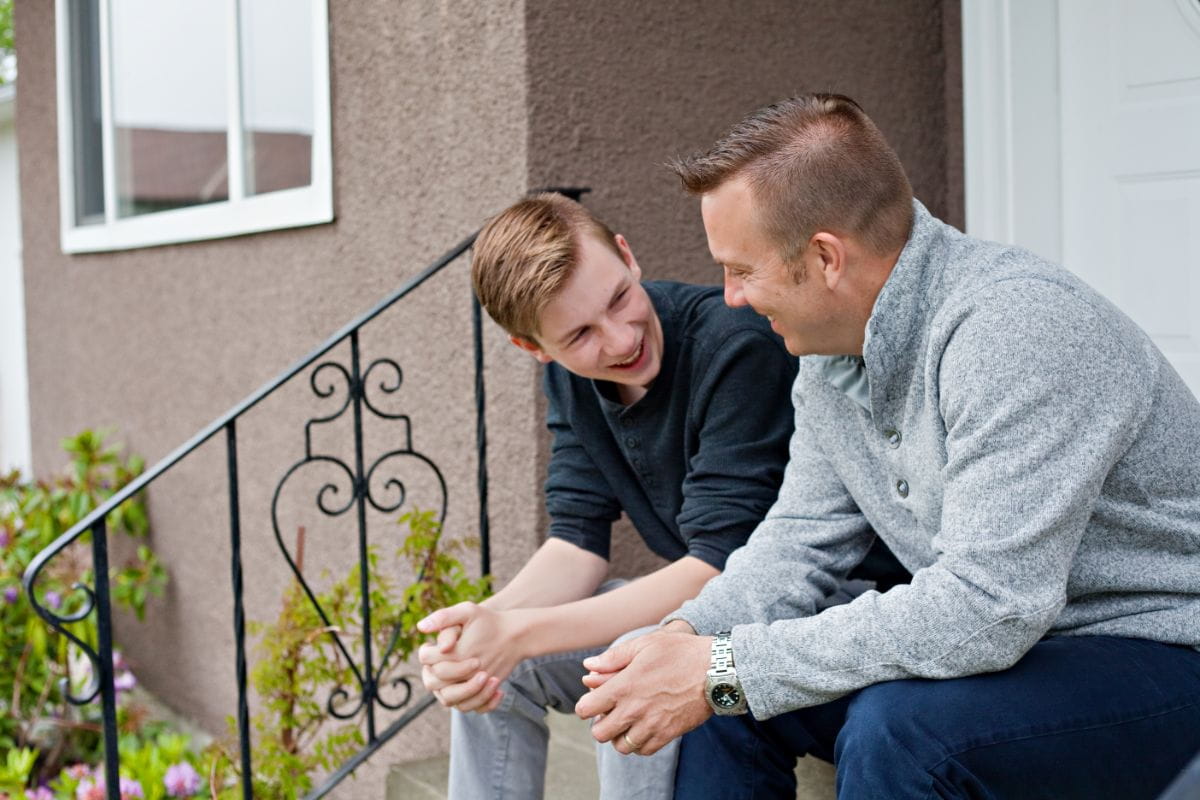
Teenagers can be notoriously secretive about some aspects of their lives, which makes it important for parents to let them know they are available to listen to them process their experiences with teen cancel culture. Parents can talk to their kids about the difference between canceling someone and bullying them. The child needs to develop the ability to understand what cancel culture is, when it can be good, and when it can prove harmful or misdirected.
Begin Treatment for Teenagers with Mental Health Disorders
Has your child become a victim of teen cancel culture because of a mental health disorder? Hillcrest provides a warm sanctuary for teenagers to live in while undergoing the effective and complex care that comes with living in a residential facility. Our compassionate staff works with adolescents who have a mental illness and need help minimizing or overcoming their symptoms. We also help them understand how to celebrate their uniqueness without worrying about being rejected.
Contact us today, and let’s talk about the programs we offer to help your teenager feel more comfortable moving about their world. We can also provide a free insurance verification for those who would like one.