
Home » Treatment for Teens » Adolescent Residential Treatment Centers in California » Residential Treatment for Teen Girls
Residential Treatment for Teen Girls
Our adolescent treatment center in California offers several services and behavioral health therapies for your teenage daughter to develop the coping skills needed to thrive in young adulthood.
Contact Hillcrest Adolescent Treatment Center today to learn more.
Home » Treatment for Teens » Adolescent Residential Treatment Centers in California » Residential Treatment for Teen Girls
Our adolescent treatment center in California offers several services and behavioral health therapies for your teenage daughter to develop the coping skills needed to thrive in young adulthood.
Contact Hillcrest Adolescent Treatment Center today to learn more.
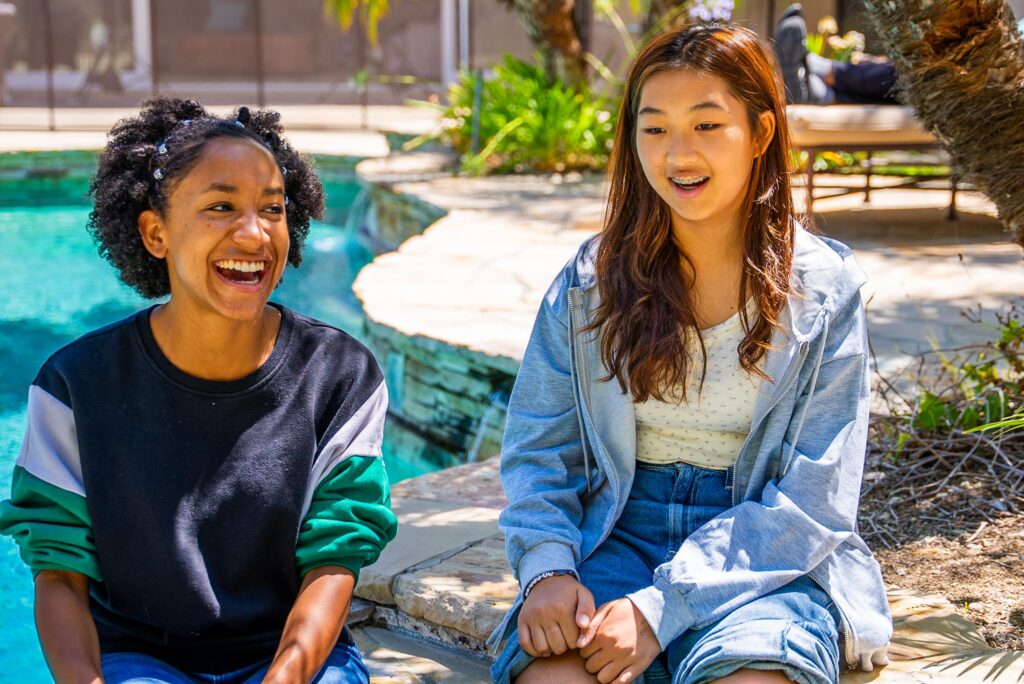
A teenage girl can appear successful while struggling beneath the surface.
She may earn good grades while hiding anxiety, depression, trauma, or self-harm. Other girls withdraw, stop attending school, use substances, or experience conflict at home.
Hillcrest Adolescent Treatment Center provides residential care for teens ages 12–18 in Agoura Hills, California. Our gender-responsive approach helps each girl feel understood without reducing her needs to stereotypes.
Call 800-275-1707 to learn whether residential treatment may be appropriate for your daughter.
Why Teen Girls May Need Residential Care
A higher level of care may be necessary when symptoms worsen or interfere with safety, school, relationships, and daily functioning.
Residential treatment for teen girls provides 24-hour structure away from social pressures and other triggers. The team can observe how symptoms affect her throughout the day. This setting is a place to stabilize, understand unhealthy patterns, and practice new skills before returning home.
Why Teen Girls May Need Residential Care
A higher level of care may be necessary when symptoms worsen or interfere with safety, school, relationships, and daily functioning.
Residential treatment for teen girls provides 24-hour structure away from social pressures and other triggers. The team can observe how symptoms affect her throughout the day. This setting is a place to stabilize, understand unhealthy patterns, and practice new skills before returning home.
Mental Health Challenges We Treat
The behavior concerning parents may be only one part of the problem. School refusal may reflect panic or depression. Anger or substance use may mask emotional pain.
Hillcrest treats adolescents experiencing:
- Depression and other mood disorders
- Anxiety and panic disorders
- Trauma and PTSD
- Bipolar disorder
- Obsessive-compulsive disorder
- Eating disorders and body image concerns
- Self-harm and suicidal ideation
- Substance use and dual diagnosis conditions
- Behavioral and learning disorders
Hillcrest is not an emergency facility. Call 911 or visit the nearest emergency department if your daughter is in immediate danger. Call or text 988 for crisis support.
Mental Health Challenges We Treat
The behavior concerning parents may be only one part of the problem. School refusal may reflect panic or depression. Anger or substance use may mask emotional pain.
Hillcrest treats adolescents experiencing:
- Depression and other mood disorders
- Anxiety and panic disorders
- Trauma and PTSD
- Bipolar disorder
- Obsessive-compulsive disorder
- Eating disorders and body image concerns
- Self-harm and suicidal ideation
- Substance use and dual diagnosis conditions
- Behavioral and learning disorders
Hillcrest is not an emergency facility. Call 911 or visit the nearest emergency department if your daughter is in immediate danger. Call or text 988 for crisis support.
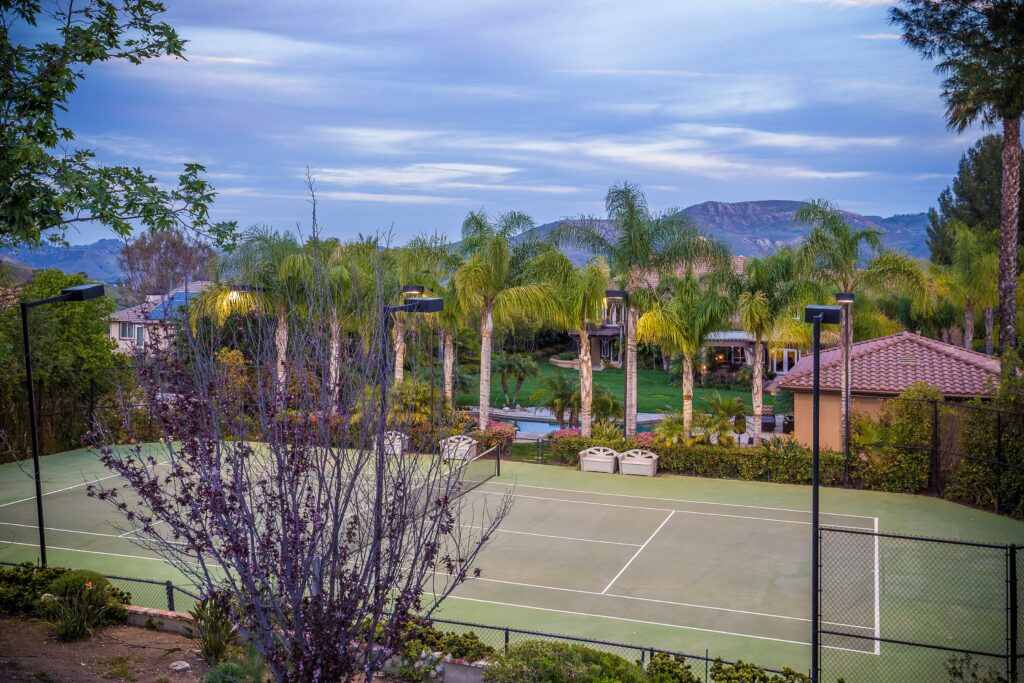
Tour Our Adolescent Residential Treatment Centers in California





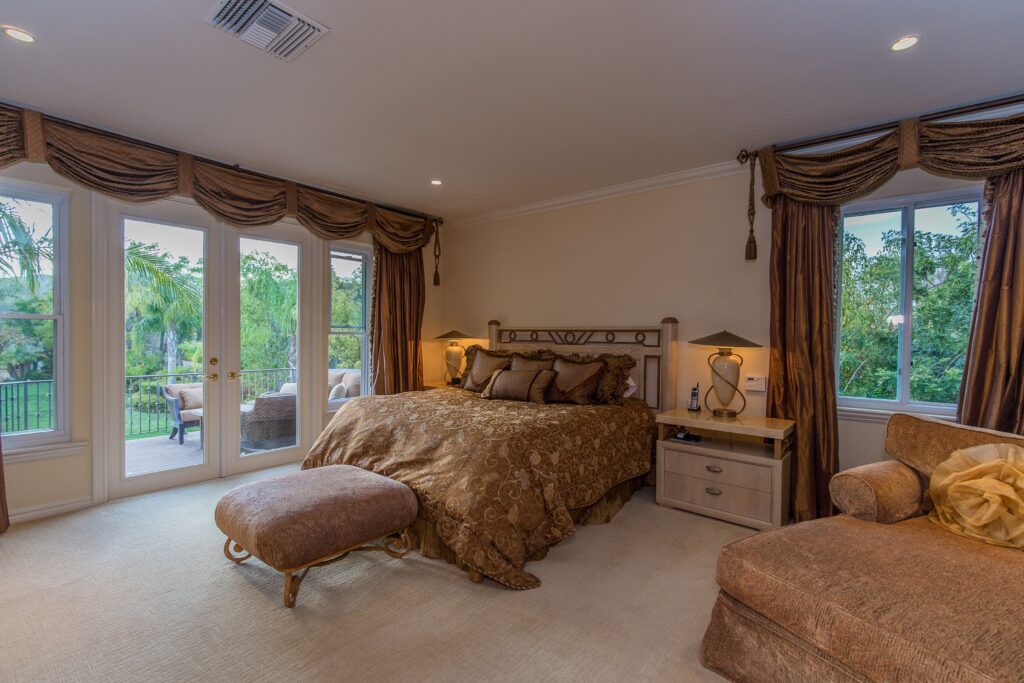
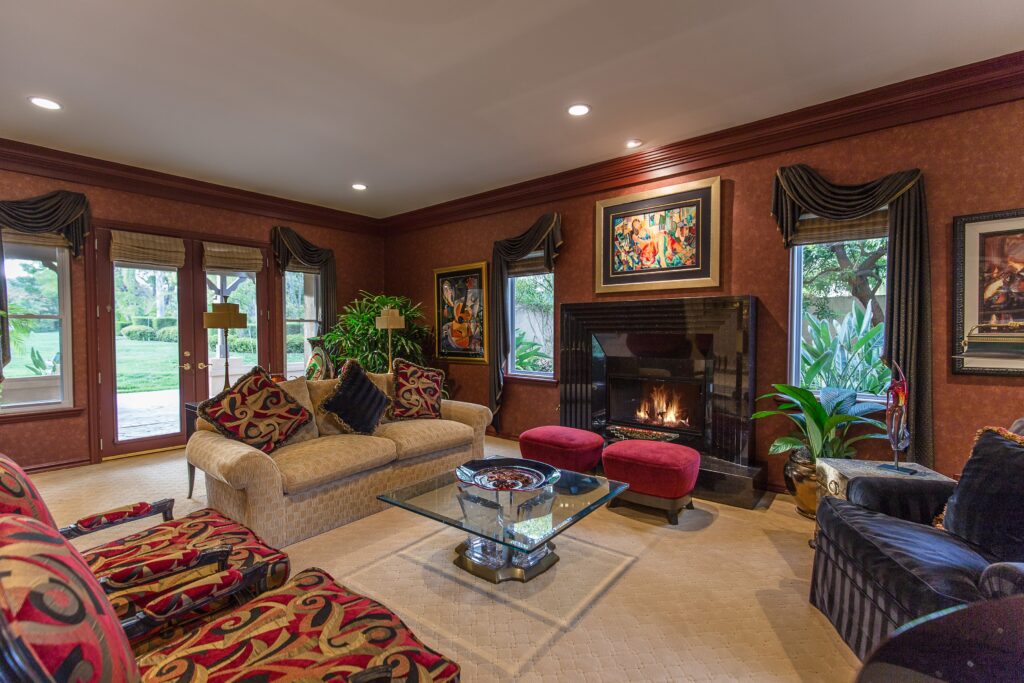
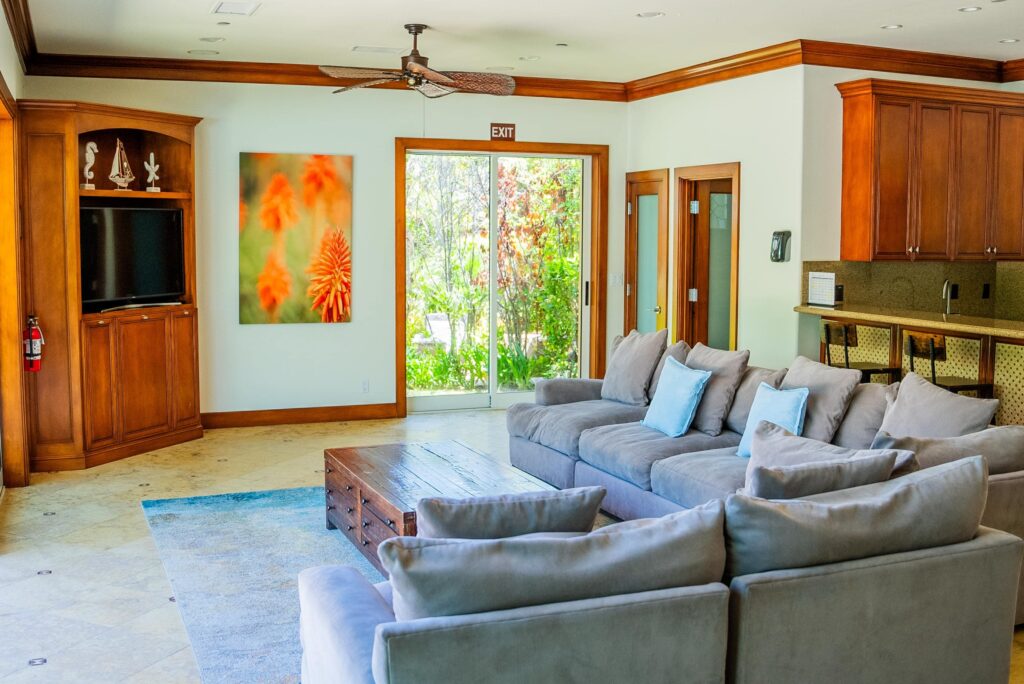
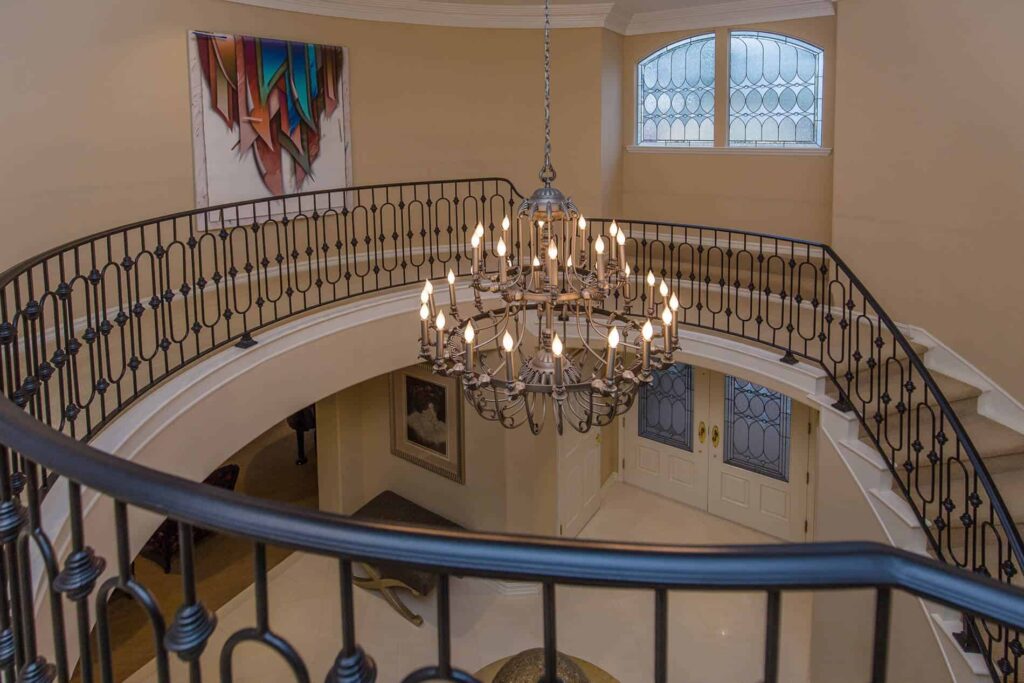
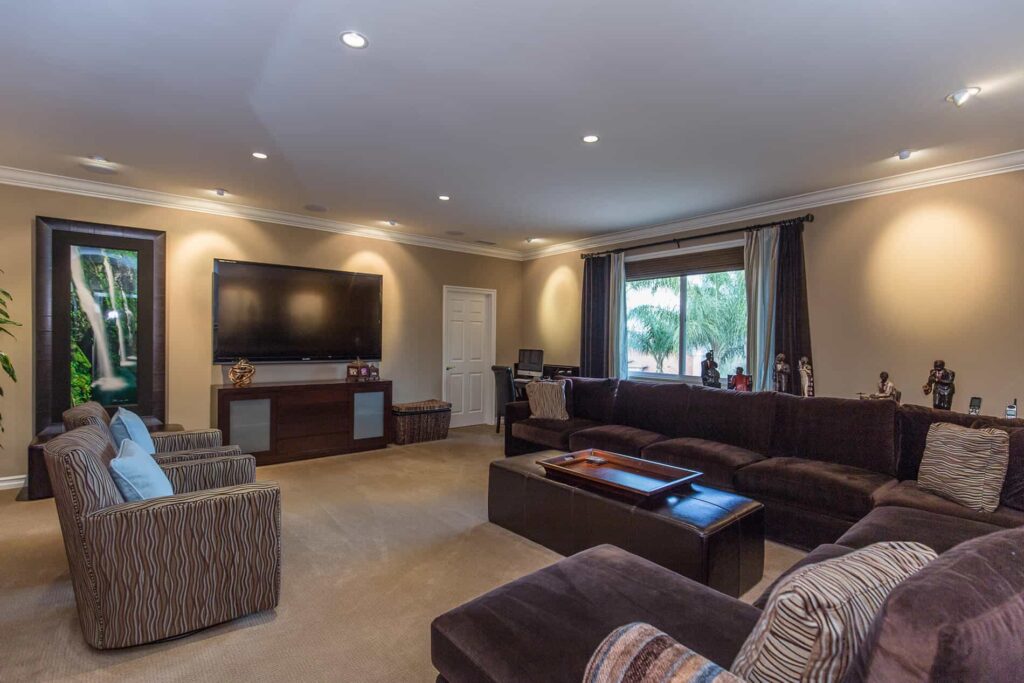
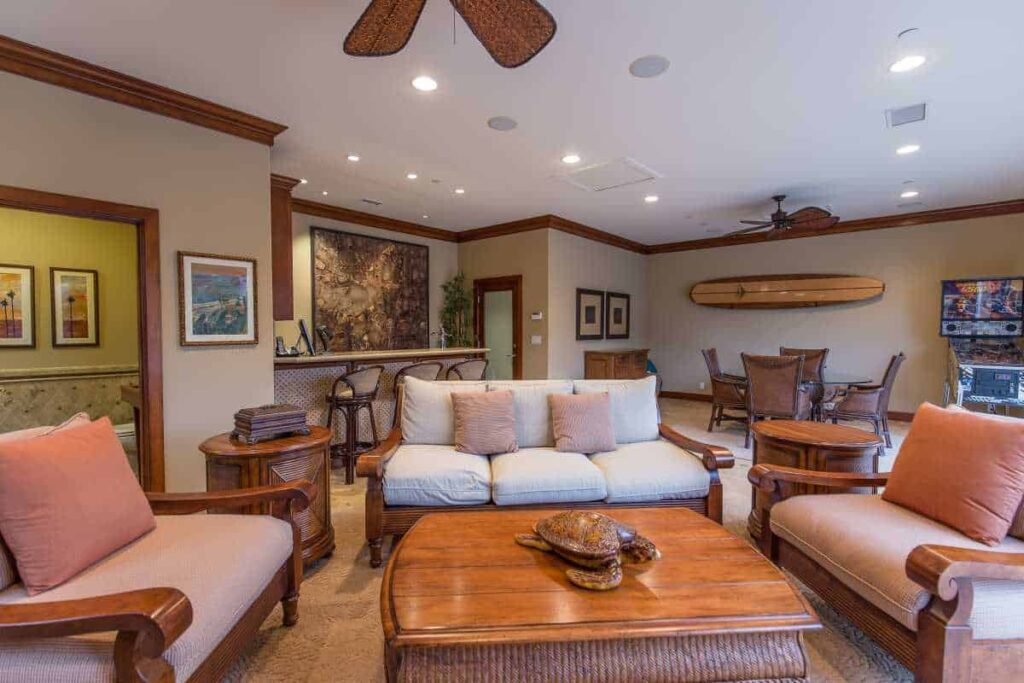
Gender-Responsive Treatment for Teenage Girls
Teen girls face complex messages about appearance, achievement, relationships, and identity. Some feel responsible for everyone else while ignoring their own distress.
Gender-responsive care considers these pressures while recognizing individual differences. Treatment helps teens communicate needs, establish boundaries, and discuss difficult experiences.
Hillcrest serves adolescents of different genders rather than operating as a girls-only facility. The program provides gender-responsive, trauma-informed, and culturally sensitive care based on each teen’s identity and clinical needs.
Building Healthy Peer Relationships
Friendship can bring belonging and intense stress. Conflict, rejection, bullying, and fear of exclusion can affect a girl’s self-worth.
Group therapy provides supervised practice in communication and accountability. Teens learn to express hurt, tolerate disagreement, and recognize unhealthy relationship patterns.
Individualized Therapy and Psychiatric Care
Every teen receives a plan based on her symptoms, history, strengths, and goals. Care may include therapy, psychiatric evaluation, and medication management.
Cognitive behavioral therapy helps teens question distorted beliefs and change patterns that reinforce anxiety or depression. Dialectical behavior therapy teaches mindfulness, emotional regulation, distress tolerance, and interpersonal effectiveness.
Experiential options may include expressive arts, outdoor therapy, yoga, mindfulness, and equine therapy. These provide additional ways to process emotion and build confidence.
A Structured and Supportive Daily Routine
Residential care follows a consistent schedule that includes therapy, academics, recreation, meals, responsibilities, and rest. Predictability can help regulate sleep and reduce the chaos that often accompanies a mental health crisis.
Staff encourage age-appropriate independence while maintaining supervision. Teens practice managing emotions and responsibilities within a supported environment.
Academic Support During Treatment
Mental health symptoms can affect attendance, concentration, memory, motivation, and confidence. Falling behind can then add another layer of anxiety.
Hillcrest provides an on-site academic program tailored to current abilities and learning needs. The smaller environment may help girls who struggled in a traditional classroom.
Family Involvement and Healing
Residential treatment creates temporary distance, but it does not remove the family from recovery. Parents participate in family therapy and learn ways to support progress without enabling unsafe behavior.
Sessions may address communication, trust, boundaries, and family roles. The purpose is to understand what has not been working and practice something different.
Family involvement also prepares everyone for discharge. Continued therapy, school plans, household expectations, medication, and warning signs should be addressed before the teen returns home.
Is Residential Treatment Right for My Daughter?
Residential care may be appropriate when outpatient services have not provided enough support. It may also be recommended when a teen cannot function safely or consistently at home.
Concerning signs include severe isolation, escalating anxiety, school refusal, repeated substance use, disordered eating, self-harm, suicidal thoughts, or major personality changes. A clinical assessment determines whether residential care is appropriate.
Not every teen needs this level of treatment. Some girls can receive effective support through PHP, IOP, or traditional outpatient care.
Frequently Asked Questions
Hillcrest provides treatment for adolescents ages 12–18. Admissions determines whether the program can safely meet each teen’s needs.
No. Hillcrest serves adolescents of different genders and provides gender-responsive care. Ask admissions about current housing and programming arrangements.
Yes. Hillcrest provides on-site academic support so treatment does not require abandoning educational progress.
Length of treatment depends on clinical needs, progress, family circumstances, and insurance authorization. Recommendations may change as the team evaluates her response.
Many plans cover medically necessary adolescent residential care. Network rules, deductibles, and authorization requirements vary. Hillcrest can verify your benefits before admission.
Meet Our Distinguished Care Team

Julia Gindi
Executive Director

Dr. Michael Louie
Psychiatrist

Dr. Shilpa Jindani
Physician

Mark Paladini
Director of Education
Find Residential Treatment for Teen Girls in California
Your daughter does not need to reach a breaking point before her pain is taken seriously. Hillcrest provides clinical care, education, structure, and family support in a safe residential environment.
Call 800-275-1707 or contact Hillcrest Adolescent Treatment Center to discuss the next step.
CONTACT US
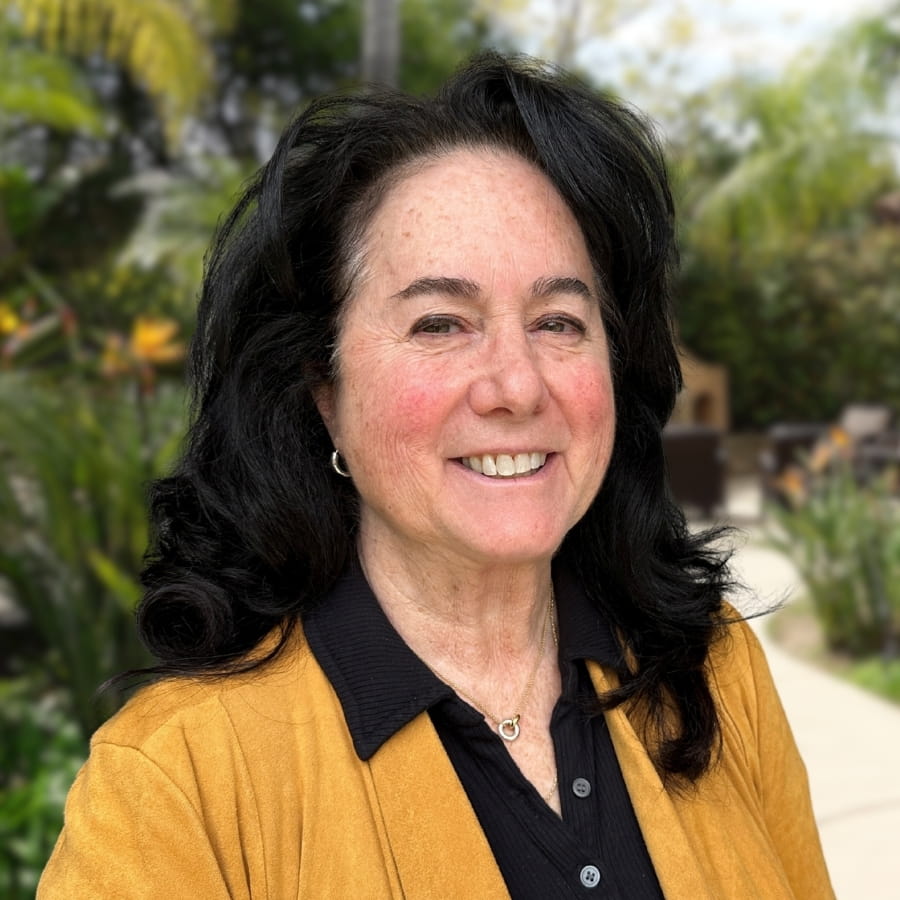
Julia Gindi
Executive Director
With decades of experience in mental health and addiction treatment, Julia Gindi is dedicated to helping teens and their families navigate life’s challenges. She specializes in fostering healthy boundaries, strengthening family dynamics, conflict resolution, emotional coping, and self-esteem development.
Julia attended Southern Illinois University and is a Certified Alcohol and Drug Counselor (CADC). She has worked across all facets of residential treatment, playing a key role in developing specialized programs that promote long-term healing.
A compassionate and dedicated professional, Julia has helped over 2,000 individuals reclaim their lives. Outside of her work, she finds joy in gardening and nature. As a proud grandmother of 14, her passion for creating positive change extends beyond her career, reinforcing her commitment to supporting individuals and families on their journey to healing and balance.
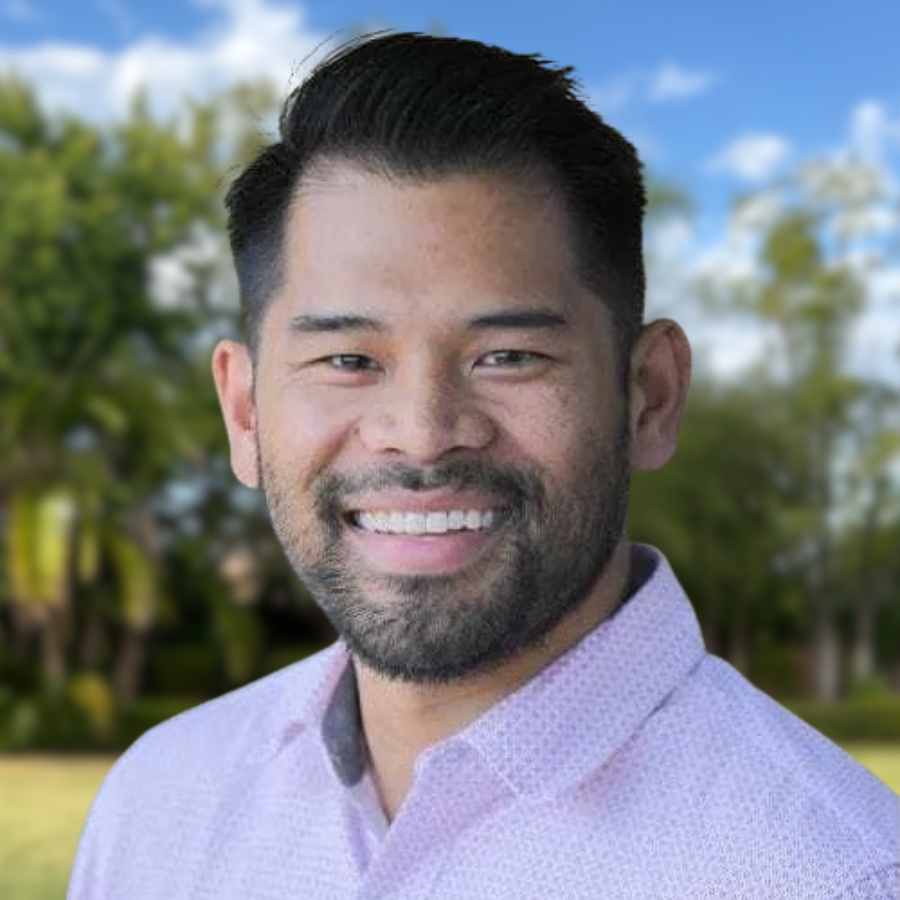
Dr. Michael Louie
Psychiatrist
Dr. Michael Louie is a board-certified psychiatrist with over 13 years of experience in mental health care. He earned his Doctor of Osteopathic Medicine degree from the College of Osteopathic Medicine of the Pacific in 2011 and completed his psychiatry residency at the Loma Linda University Health Education Consortium. Throughout his career, Dr. Louie has been affiliated with medical facilities such as Southern California Hospital at Hollywood and Los Angeles Community Hospital. He has practiced in various California locations, including Loma Linda, Long Beach, Los Alamitos, and Tustin. Dr. Louie is known for his holistic approach to mental health, tailoring treatment plans to meet the unique needs of each patient.
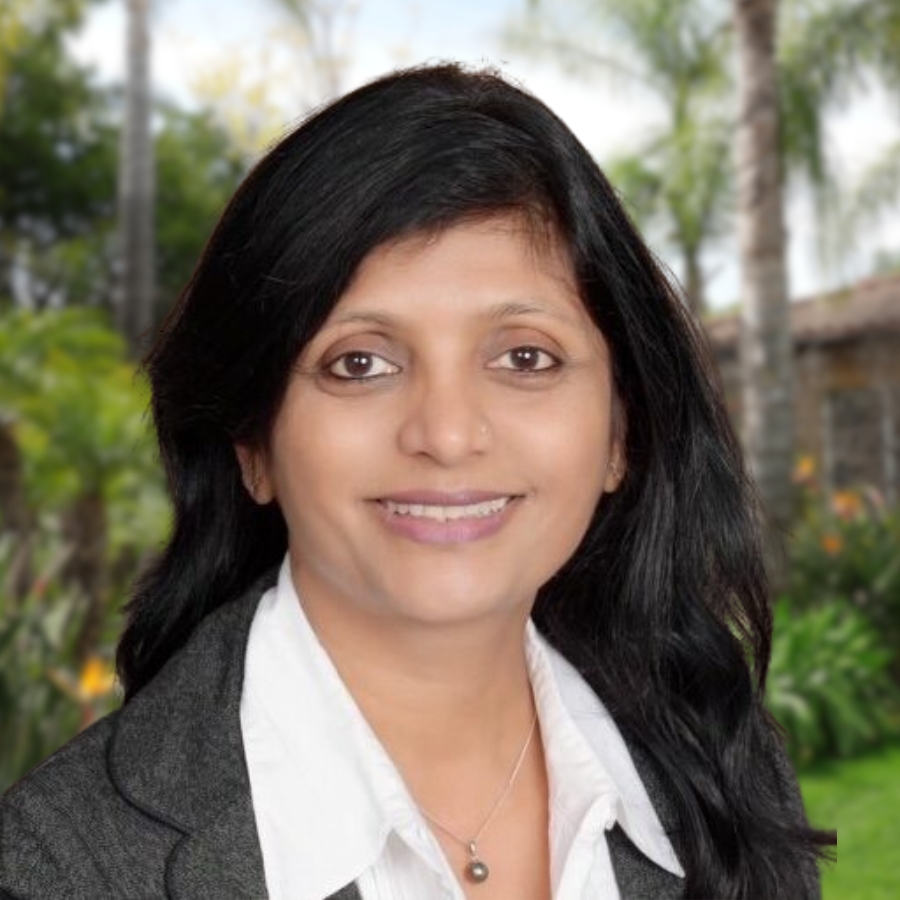
Dr. Shilpa Jindani
Physician
Dr. Shilpa Jindani is a board-certified diplomat of the American Academy of Family Medicine. She studied at the Sawai Man Singh Medical College in India, later completing her residency in Family Medicine at the University of Vermont. Dr. Jindani currently practices as a family medicine physician in California. She is also the medical director at Health Net.
Dr. Jindani is a former staff physician at Ventura County Medical Center. She is also a member of both the American Academy of Family Physicians and the California Medical Association. Dr. Jindani also serves as the Vice President of Tri-Vally Indian Medical Association. In addition, she is on the medical advisory board of a startup, eFind-a-Doc.
Dr. Jindani believes that integrative and preventative practices as well as mental health care lead to the best outcomes for overall health maintenance. Taking care of her patients is her passion. In her free time, she enjoys reading, hiking, and yoga.

Mark Paladini
Director of Education
Mark Paladini brings 12 years of experience teaching at the university level where he was celebrated for his curriculum design and lesson planning for undergraduate and graduate students. In addition to heading the undergraduate program that he co-created at Regent University, he also developed and ran a highly successful online master’s program for high school teachers. He received his undergraduate degree from the University of Washington in Seattle and is a graduate of the Los Angeles Teaching Fellows Program. Mr. Paladini also served on the recruitment team during his time at the university which gives him a unique advantage to help students prepare for what is needed to get into college.
Prior to teaching at the university level, Mr. Paladini taught and developed courses for UCLA Extension, taught middle school English for LAUSD, and mentored students at a National Blue Ribbon Elementary School in Los Angeles. He also has extensive experience in the entertainment industry (Fun Fact: Mark Paladini is an award winning Casting Director!) and brings his theatre skills into the classroom to create an engaging atmosphere where students enjoy the process of learning.