
Home » Treatment for Teens » Adolescent Residential Treatment Centers in California » Residential Treatment for Teen Boys
Residential Treatment Program for Teen Boys
Our adolescent treatment center in California offers several services and behavioral health therapies for your teenage son to develop the coping skills to thrive in young adulthood.
Contact Hillcrest Adolescent Treatment Center today to learn more.
Home » Treatment for Teens » Adolescent Residential Treatment Centers in California » Residential Treatment for Teen Boys
Our adolescent treatment center in California offers several services and behavioral health therapies for your teenage son to develop the coping skills to thrive in young adulthood.
Contact Hillcrest Adolescent Treatment Center today to learn more.

Teen boys do not always show emotional pain in ways adults expect.
Depression may appear as anger or withdrawal. Anxiety may look like avoidance, defiance, or constant irritability. Some boys take risks, use substances, or retreat into screens because they do not know how to describe what they are experiencing.
Hillcrest Adolescent Treatment Center provides high-support residential care for teens ages 12–18. Our gender-responsive approach considers how teenage boys may communicate, build trust, and engage in treatment.
Call 800-275-1707 to discuss whether residential care may be right for your son.
Why Teen Boys May Need Residential Treatment
Some teens need more structure and observation than outpatient appointments provide. Symptoms may have worsened despite counseling, medication, or school interventions.
A residential treatment program for teen boys provides 24-hour supervision away from everyday distractions. The team can observe patterns in mood, behavior, relationships, sleep, and coping. This distance is not a punishment. It gives him time to stabilize and practice new responses before returning home.
Why Teen Boys May Need Residential Treatment
Some teens need more structure and observation than outpatient appointments provide. Symptoms may have worsened despite counseling, medication, or school interventions.
A residential treatment program for teen boys provides 24-hour supervision away from everyday distractions. The team can observe patterns in mood, behavior, relationships, sleep, and coping. This distance is not a punishment. It gives him time to stabilize and practice new responses before returning home.

Challenges We Address
Teen boys may enter treatment with one diagnosis or several overlapping concerns. An assessment helps the team look beyond the most visible behavior.
Hillcrest treats adolescents experiencing:
- Depression and other mood disorders
- Anxiety and panic disorders
- Trauma and post-traumatic stress disorder
- Bipolar disorder
- Obsessive-compulsive disorder
- Oppositional defiant disorder and behavioral concerns
- Learning disorders and academic difficulties
- Substance use and co-occurring mental health conditions
- Self-harm and suicidal ideation
Hillcrest is not an emergency department. Call 911 or go to the nearest emergency room when a teen is in immediate danger. Families can also call or text 988 for crisis support.
Challenges We Address
Teen boys may enter treatment with one diagnosis or several overlapping concerns. An assessment helps the team look beyond the most visible behavior.
Hillcrest treats adolescents experiencing:
- Depression and other mood disorders
- Anxiety and panic disorders
- Trauma and post-traumatic stress disorder
- Bipolar disorder
- Obsessive-compulsive disorder
- Oppositional defiant disorder and behavioral concerns
- Learning disorders and academic difficulties
- Substance use and co-occurring mental health conditions
- Self-harm and suicidal ideation
Hillcrest is not an emergency department. Call 911 or go to the nearest emergency room when a teen is in immediate danger. Families can also call or text 988 for crisis support.
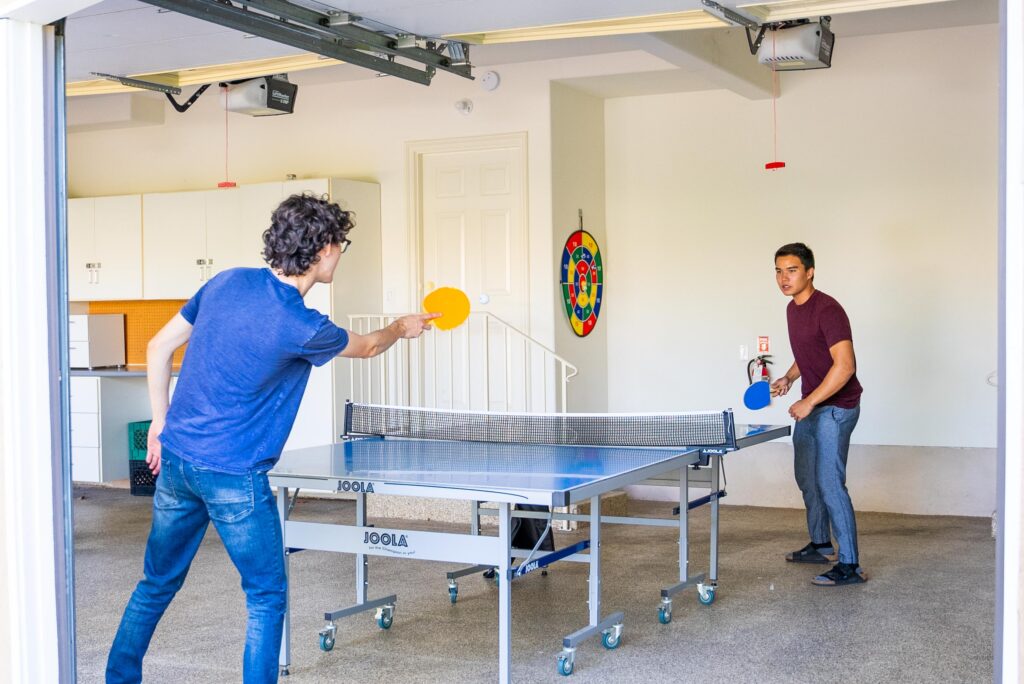
A High-Support Residential Program for Teenage Boys
A high-support residential program for teenage boys follows a predictable schedule balancing therapy, school, recreation, responsibilities, and rest.
Structure clarifies expectations. It also shows clinicians how a boy responds to frustration, feedback, peers, and boundaries. Hillcrest maintains a safe, home-like environment in Agoura Hills. Teens receive support from a multidisciplinary team that includes therapists, psychiatrists, nurses, case managers, and academic staff.
A High-Support Residential Program for Teenage Boys
A high-support residential program for teenage boys follows a predictable schedule balancing therapy, school, recreation, responsibilities, and rest.
Structure clarifies expectations. It also shows clinicians how a boy responds to frustration, feedback, peers, and boundaries. Hillcrest maintains a safe, home-like environment in Agoura Hills. Teens receive support from a multidisciplinary team that includes therapists, psychiatrists, nurses, case managers, and academic staff.
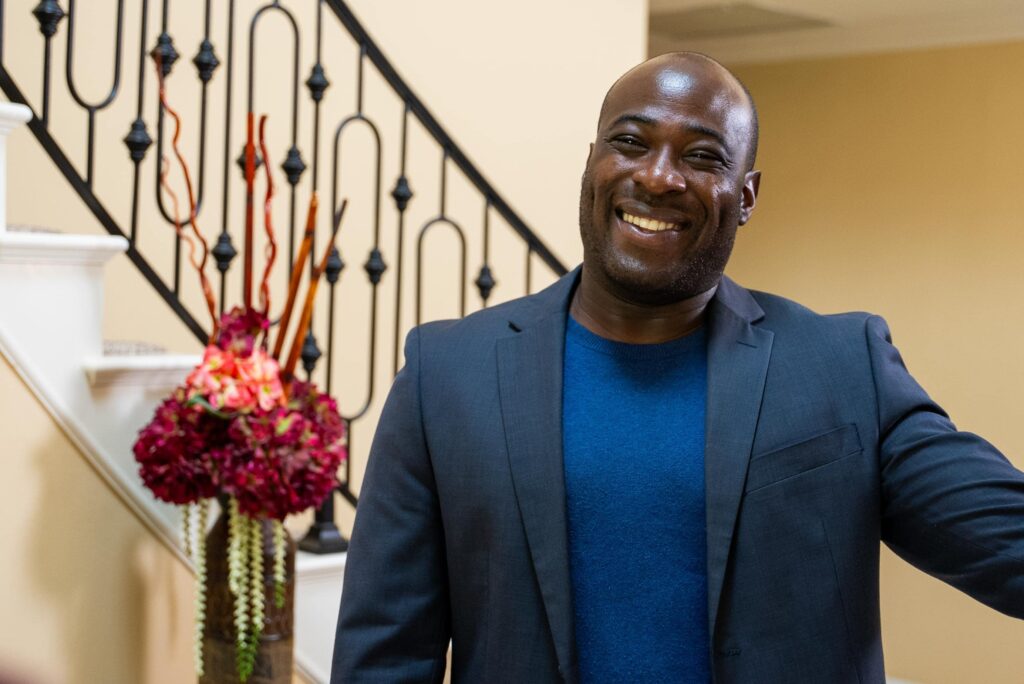
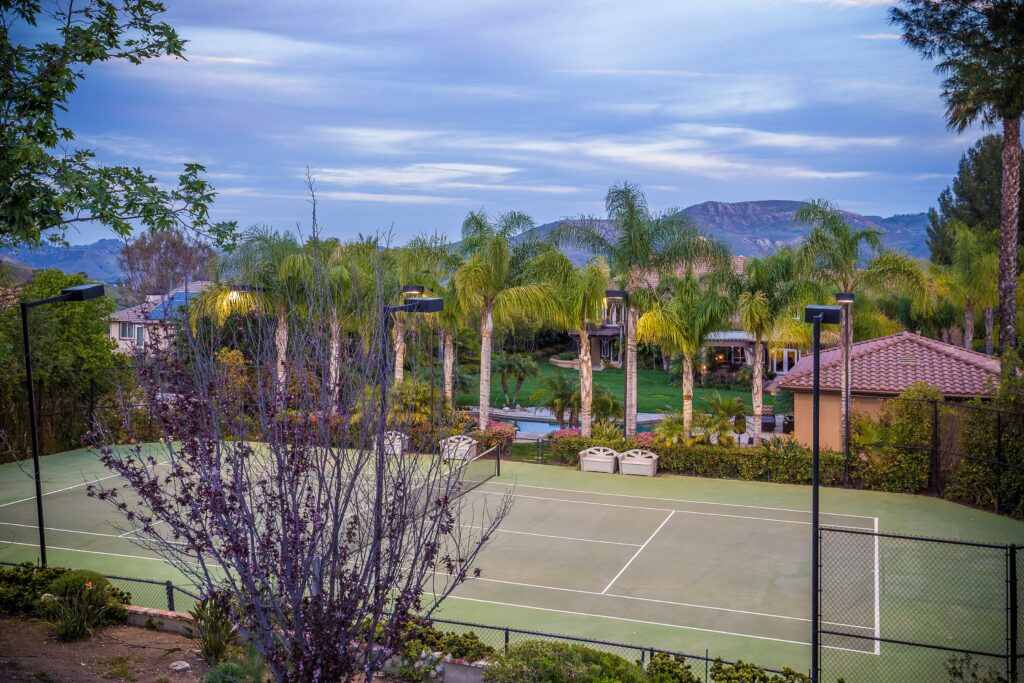
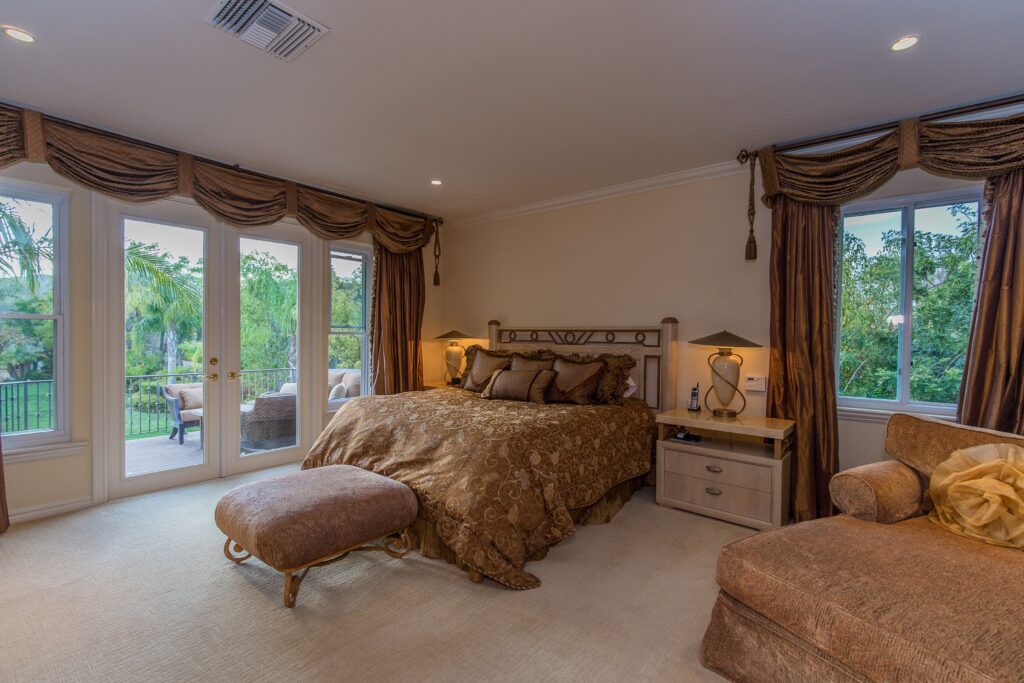
Tour Our Adolescent Residential Treatment Centers in California





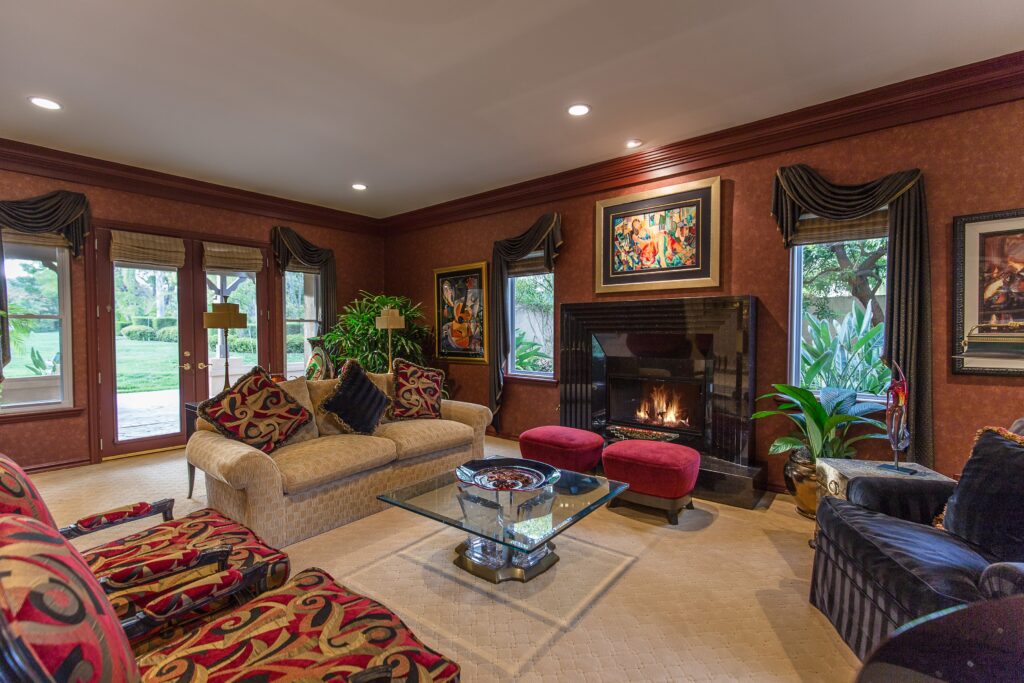
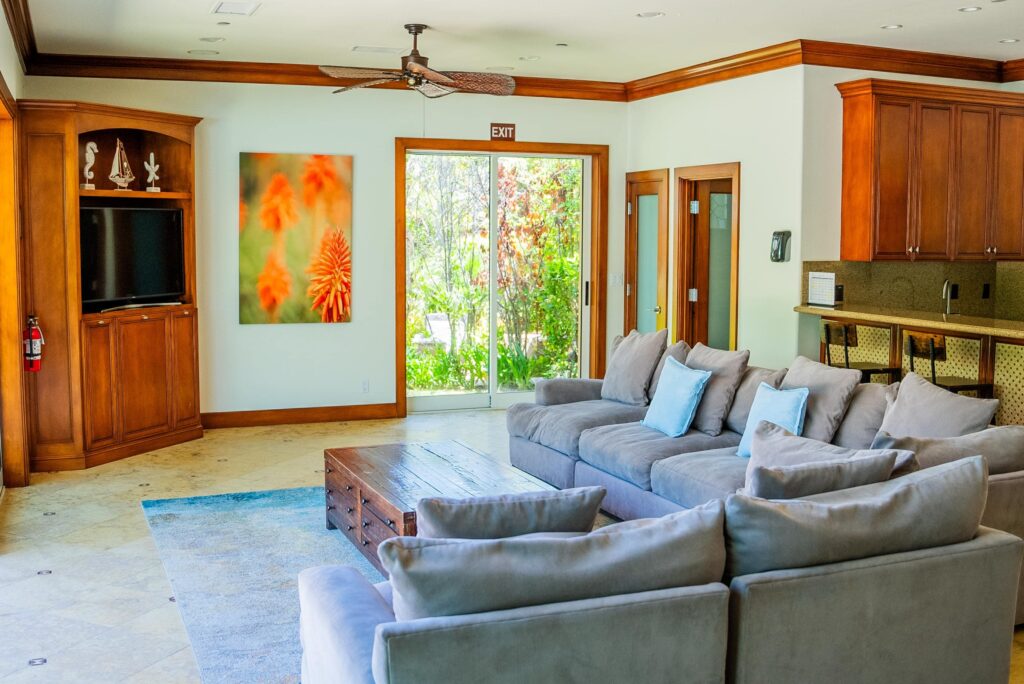

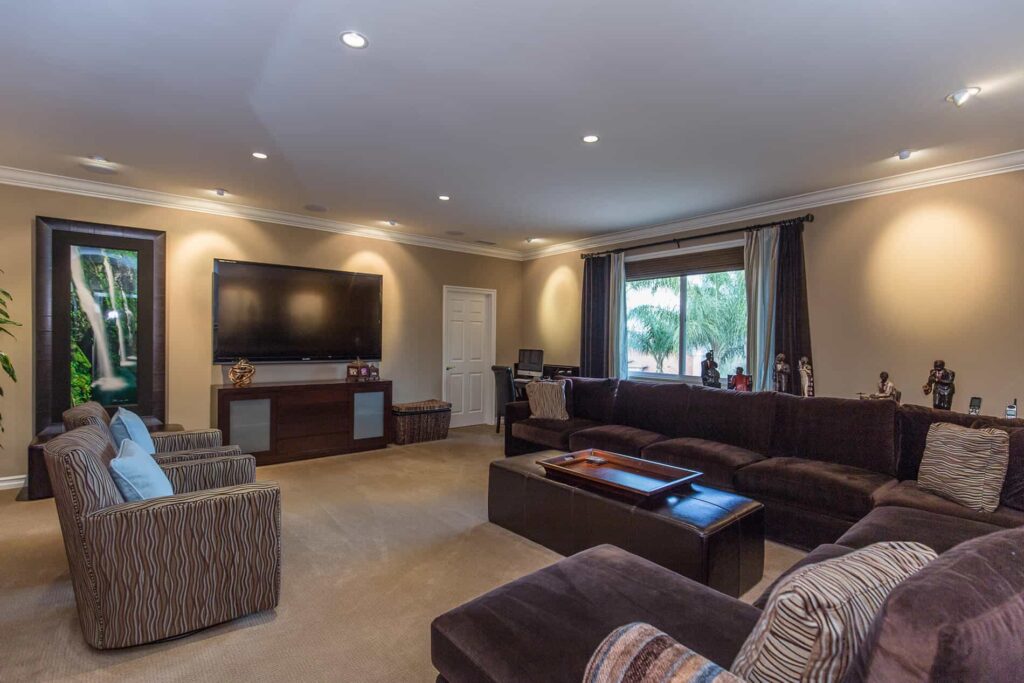
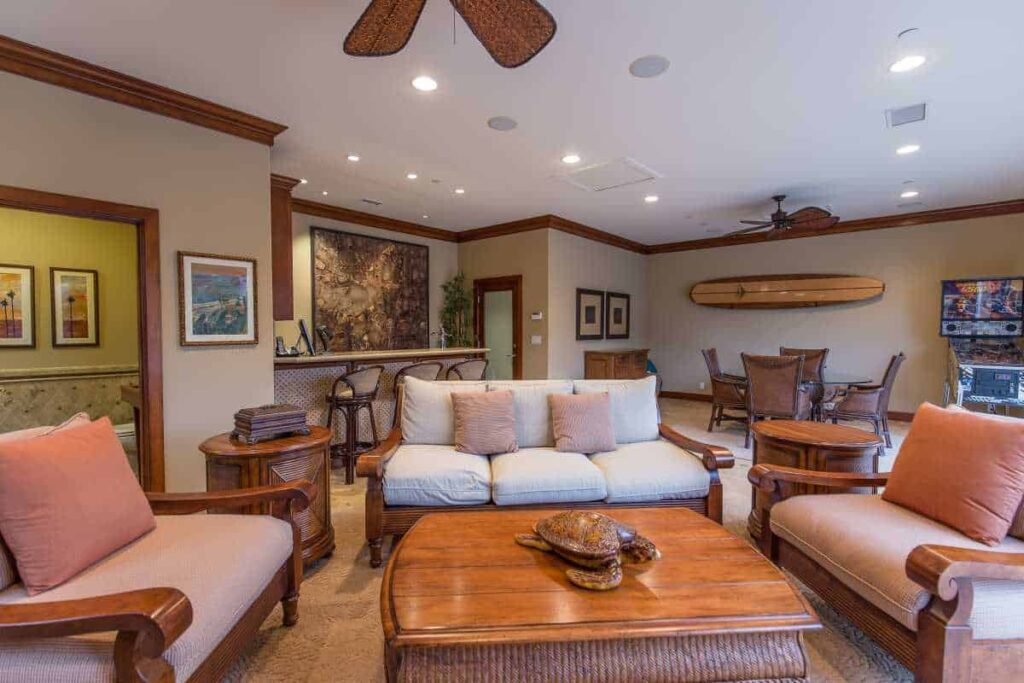
Gender-Responsive Care for Teen Boys
Many boys learn to hide fear, sadness, or shame. Others struggle to identify feelings and express distress through anger or impulsive behavior.
Gender-responsive care recognizes common social pressures without assuming every boy is the same. Therapists help teens develop emotional language and healthier ways to manage discomfort.
Group therapy can reduce isolation and provide constructive peer feedback. Staff guide these conversations so that connection supports treatment.
Therapy and Psychiatric Support
Each teen receives a plan based on his symptoms, history, strengths, and goals. Care may include therapy, psychiatric services, and medication management.
CBT examines connections between thoughts, emotions, and actions. DBT develops emotional regulation, distress tolerance, mindfulness, and communication. Experiential services may include expressive arts, outdoor activities, yoga, and equine therapy.
These approaches offer several ways to participate. A teen who struggles to talk may begin through movement, art, or structured activity.
Academic Support During Residential Care
Parents should not have to choose between treatment and education. Hillcrest provides an on-site academic program so teens can continue their schoolwork while receiving care.
Academic staff consider each student’s needs and learning challenges. The smaller setting may help boys struggling with concentration, attendance, or classroom behavior.
Family Involvement
A teenager may live at Hillcrest during treatment, but recovery still includes his family. Parents participate in family therapy and receive guidance on communication, boundaries, and support.
The goal is not to assign blame. Families examine conflict patterns and practice supporting progress without enabling unsafe behavior.
Family work also prepares everyone for the teen’s return home. Discharge planning addresses expectations, warning signs, school, and continued treatment.
Is Residential Treatment Right for My Son?
Residential care may be appropriate when symptoms interfere with safety, relationships, education, or daily functioning. It may follow unsuccessful outpatient treatment.
Warning signs include escalating anger, severe withdrawal, repeated substance use, declining school performance, self-harm, or inability to follow a safety plan.
Residential treatment is not right for every teen. Some boys can be treated safely through PHP, IOP, or standard outpatient services. Hillcrest evaluates each family’s situation rather than recommending the same program to everyone.
What Parents Can Expect
Admissions begins with a review of your son’s symptoms, treatment history, safety needs, and insurance information.
After admission, an assessment guides treatment. Parents receive updates and participate in family care. Discharge planning identifies the support needed afterward.
Frequently Asked Questions
Hillcrest provides adolescent treatment for teens ages 12–18. Clinical appropriateness is determined through the admissions assessment.
Hillcrest serves adolescents of different genders and provides gender-responsive care. Contact admissions to ask about the current residential community, housing arrangements, and how programming will meet your son’s needs.
Yes. Hillcrest provides on-site academic support so teens can continue their education during residential treatment.
The length of care depends on clinical needs, treatment progress, family circumstances, and insurance authorization. The team reviews progress throughout treatment.
Many insurance plans cover residential adolescent treatment when it is medically necessary. Coverage depends on the policy, network, and authorization requirements. Hillcrest can verify your benefits.
Meet Our Distinguished Care Team

Julia Gindi
Executive Director

Dr. Michael Louie
Psychiatrist

Dr. Shilpa Jindani
Physician

Mark Paladini
Director of Education
Find Residential Treatment for Your Son
Your son’s behavior may be communicating pain he cannot yet explain. Hillcrest provides structure, clinical care, academic support, and family involvement in a safe residential environment.
Call 800-275-1707 to speak with our admissions team. You can also contact Hillcrest Adolescent Treatment Center to learn more.
CONTACT US
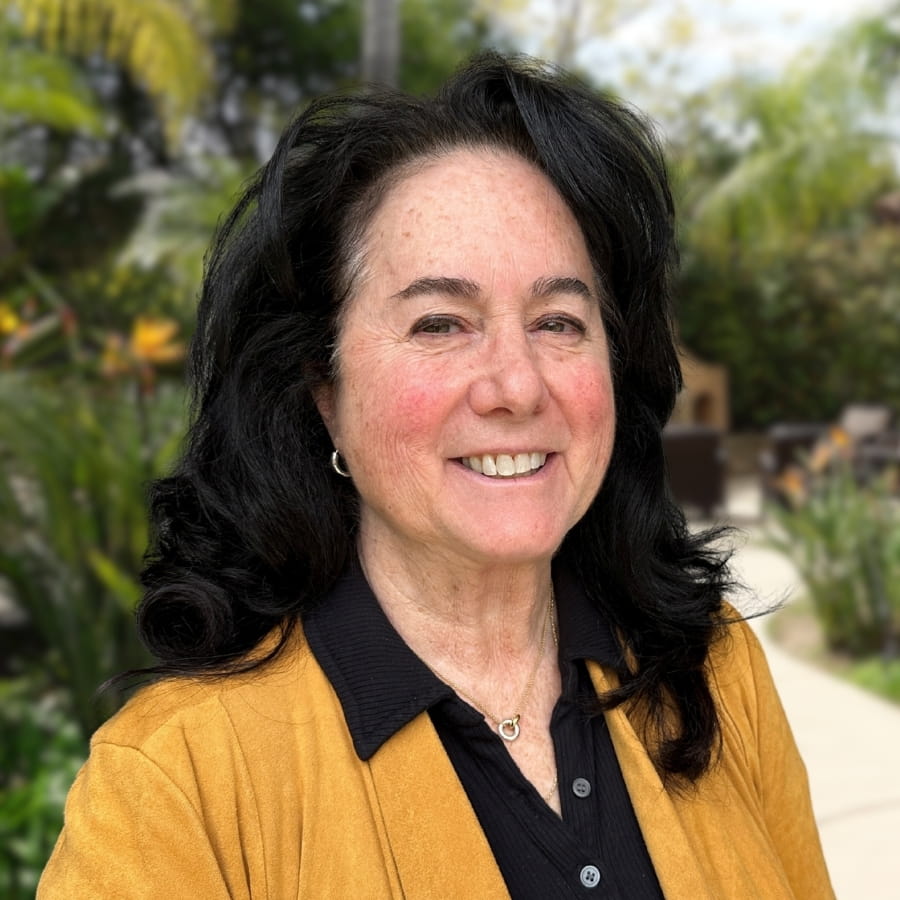
Julia Gindi
Executive Director
With decades of experience in mental health and addiction treatment, Julia Gindi is dedicated to helping teens and their families navigate life’s challenges. She specializes in fostering healthy boundaries, strengthening family dynamics, conflict resolution, emotional coping, and self-esteem development.
Julia attended Southern Illinois University and is a Certified Alcohol and Drug Counselor (CADC). She has worked across all facets of residential treatment, playing a key role in developing specialized programs that promote long-term healing.
A compassionate and dedicated professional, Julia has helped over 2,000 individuals reclaim their lives. Outside of her work, she finds joy in gardening and nature. As a proud grandmother of 14, her passion for creating positive change extends beyond her career, reinforcing her commitment to supporting individuals and families on their journey to healing and balance.
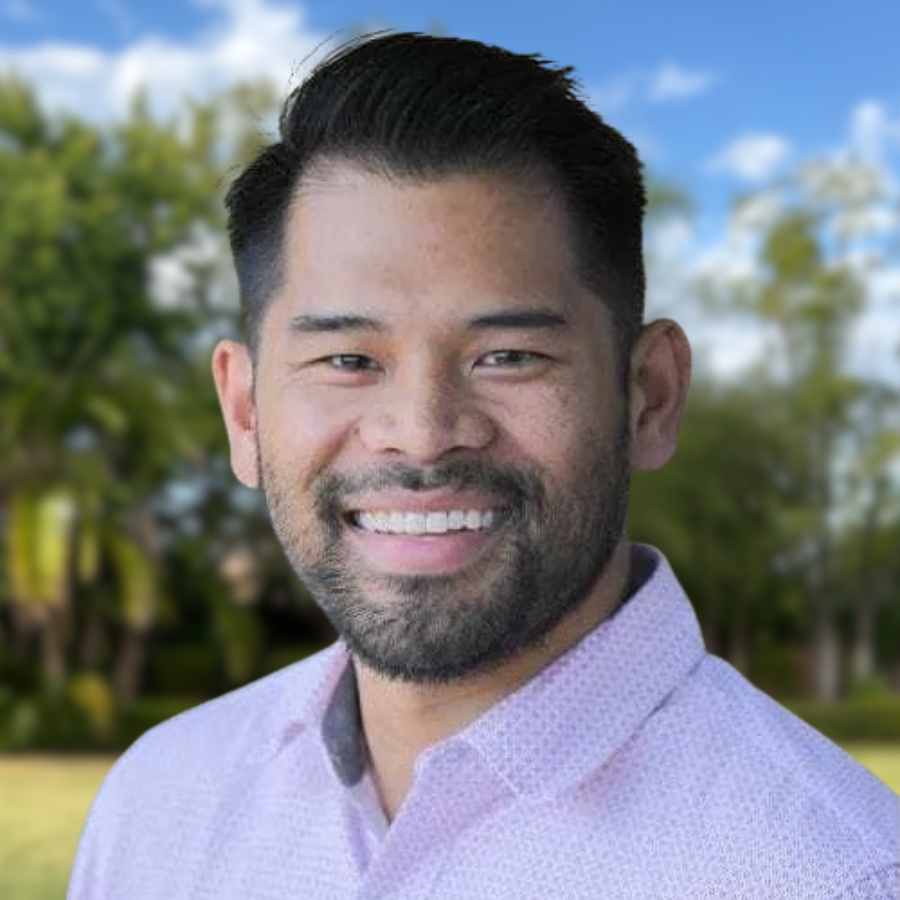
Dr. Michael Louie
Psychiatrist
Dr. Michael Louie is a board-certified psychiatrist with over 13 years of experience in mental health care. He earned his Doctor of Osteopathic Medicine degree from the College of Osteopathic Medicine of the Pacific in 2011 and completed his psychiatry residency at the Loma Linda University Health Education Consortium. Throughout his career, Dr. Louie has been affiliated with medical facilities such as Southern California Hospital at Hollywood and Los Angeles Community Hospital. He has practiced in various California locations, including Loma Linda, Long Beach, Los Alamitos, and Tustin. Dr. Louie is known for his holistic approach to mental health, tailoring treatment plans to meet the unique needs of each patient.

Dr. Shilpa Jindani
Physician
Dr. Shilpa Jindani is a board-certified diplomat of the American Academy of Family Medicine. She studied at the Sawai Man Singh Medical College in India, later completing her residency in Family Medicine at the University of Vermont. Dr. Jindani currently practices as a family medicine physician in California. She is also the medical director at Health Net.
Dr. Jindani is a former staff physician at Ventura County Medical Center. She is also a member of both the American Academy of Family Physicians and the California Medical Association. Dr. Jindani also serves as the Vice President of Tri-Vally Indian Medical Association. In addition, she is on the medical advisory board of a startup, eFind-a-Doc.
Dr. Jindani believes that integrative and preventative practices as well as mental health care lead to the best outcomes for overall health maintenance. Taking care of her patients is her passion. In her free time, she enjoys reading, hiking, and yoga.

Mark Paladini
Director of Education
Mark Paladini brings 12 years of experience teaching at the university level where he was celebrated for his curriculum design and lesson planning for undergraduate and graduate students. In addition to heading the undergraduate program that he co-created at Regent University, he also developed and ran a highly successful online master’s program for high school teachers. He received his undergraduate degree from the University of Washington in Seattle and is a graduate of the Los Angeles Teaching Fellows Program. Mr. Paladini also served on the recruitment team during his time at the university which gives him a unique advantage to help students prepare for what is needed to get into college.
Prior to teaching at the university level, Mr. Paladini taught and developed courses for UCLA Extension, taught middle school English for LAUSD, and mentored students at a National Blue Ribbon Elementary School in Los Angeles. He also has extensive experience in the entertainment industry (Fun Fact: Mark Paladini is an award winning Casting Director!) and brings his theatre skills into the classroom to create an engaging atmosphere where students enjoy the process of learning.